
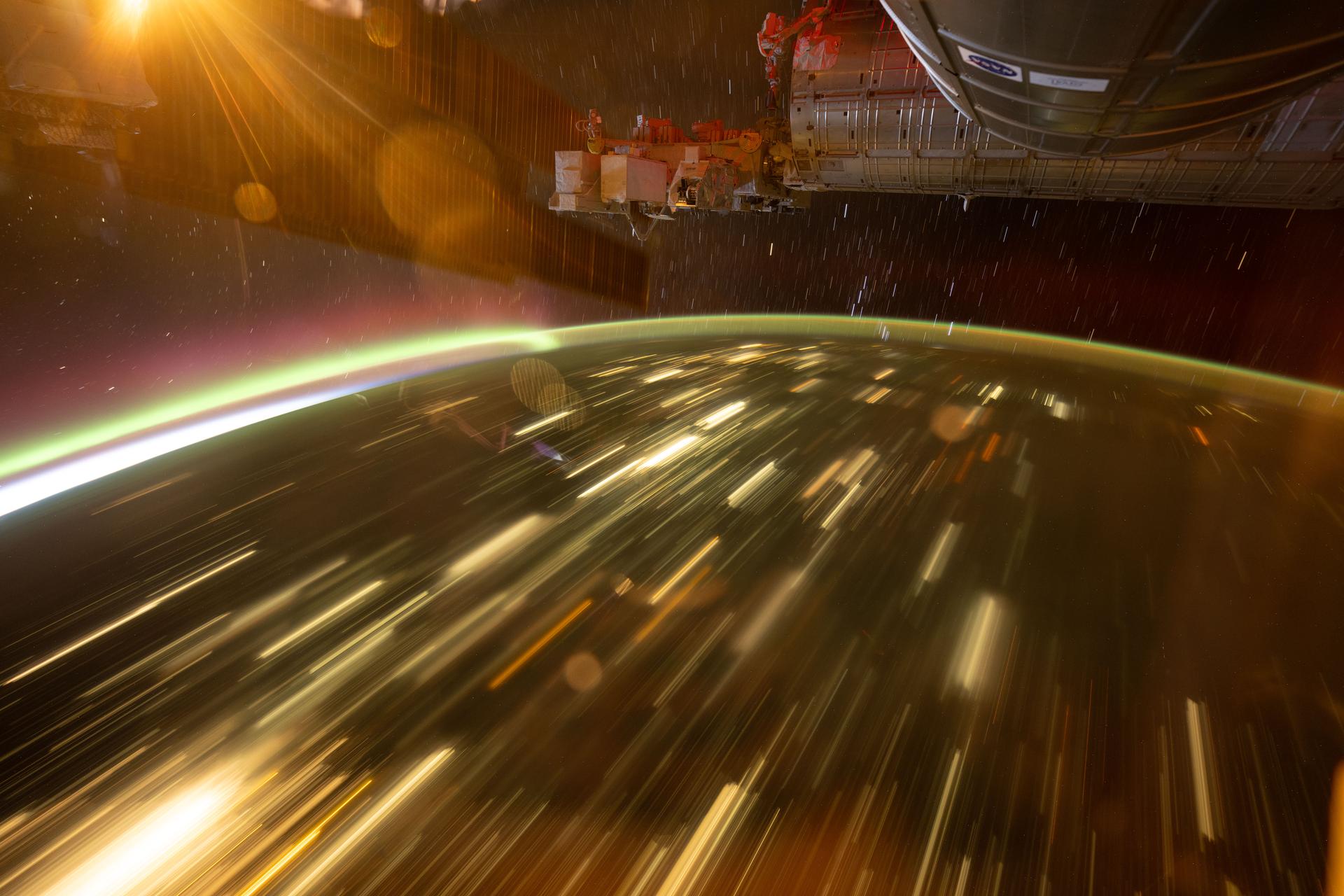
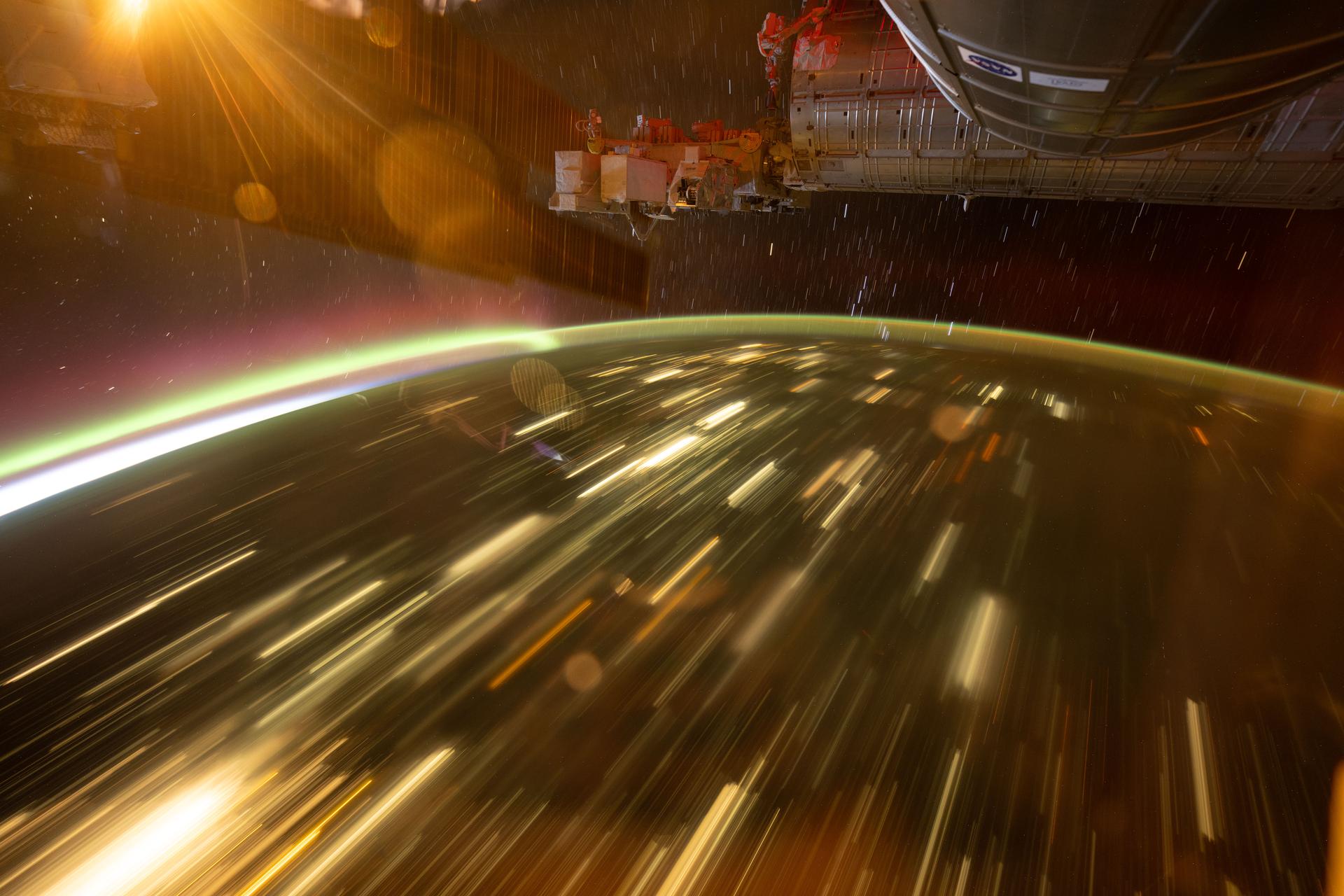
Four Expedition 75 crewmates are preparing for their return to Earth aboard a SpaceX Dragon next month as their replacement crew gets ready for launch. Meanwhile, aboard the International Space Station the orbital residents continued studying biomedicine, activating Earth imagery hardware, and unpacking a cargo craft.
NASA’s SpaceX Crew-12 mission launched on Feb. 13 carrying NASA astronauts Jessica Meir and Jack Hathaway, ESA (European Space Agency) astronaut Sophie Adenot, and Roscosmos cosmonaut Andrey Fedyaev to the orbital outpost the following day. The quartet is now nearing the end of its mission awaiting the arrival of the Crew-13 mission as soon as early October.
Meir and Hathaway, Crew-12 commander and pilot respectively, took turns on Tuesday training on a computer and reviewing procedures for their upcoming undocking and the descent into Earth’s atmosphere inside Dragon. The duo then joined Crew-12 mission specialists Adenot and Fedyaev and checked the pressure suits they will wear inside Dragon as they return to Earth and splashdown in the Pacific Ocean. The foursome ensured the suits were a good fit, tested the suits’ communication systems, and inspected the suits’ condition.
Meir also gathered emergency breathing gear and staged it ahead of Crew-13’s arrival. She inspected the masks, installed filter cartridges, and stowed them in bags for quick access. The standard operating procedure will see the masks stowed inside Dragon after Crew-13 arrives. Meir also joined her returning crewmates for waist and leg measurements and entered the data into the EveryWear app on a computer tablet before trying on their Dragon pressure suits.
NASA flight engineer Anil Menon, who has been aboard the space station since July 14, started his shift collecting his blood and saliva samples for the Immunity Assay investigation. He spun his blood sample in a centrifuge then stowed his samples in a science freezer for preservation. The samples will be analyzed in space to help doctors understand how microgravity affects an astronaut’s ability to fight infections and disease.
Roscosmos flight engineers Pyotr Dubrov and Annan Kikina, who launched to space with Menon aboard the Soyuz MS-29 spacecraft, continued unloading some of the nearly three tons of food, fuel, and supplies delivered on Saturday inside the Progress 96 cargo spacecraft. Dubrov then configured automated Earth imaging gear to photograph deserts, lakes, and glaciers across Africa and Asia.
In the middle of his Crew-12 departure preparations on Tuesday, Fedyaev downloaded Earth imagery automatically captured during the station crew’s sleep shift, uninstalled the camera gear, and swapped the camera’s battery and memory card. He later helped his cosmonaut crewmates unload the new cargo stowed inside Progress 96.
Learn more about station activities by following the space station blog, @space_station on X, as well as the ISS Facebook and ISS Instagram accounts.
Get the latest from NASA delivered every week. Subscribe here.