
The Expedition 74 crew kicked off the work week readying a spacesuit and studying procedures for an upcoming spacewalk later this month. The International Space Station residents are also packing a Japanese cargo craft and preparing it for departure from the International Space Station at the end of the week.
NASA flight engineers Chris Williams and Jack Hathaway partnered with each other before lunchtime on Monday and unstowed spacesuit components and staged them inside the Quest airlock. Afterward, NASA flight engineer Jessica Meir worked inside Quest and installed leg and arm components on a single spacesuit then swapped components from one spacesuit to another.
Hathaway later joined ESA (European Space Agency) Flight Engineer Sophie Adenot and reviewed how to suit up an astronaut, guide a spacewalker in and out of the airlock, communicate with mission controllers during a spacewalk, and more. The astronauts are gearing up for a spacewalk that was postponed in January to install a modification kit and route cables for a future roll-out solar array on the port side of the orbital outpost.
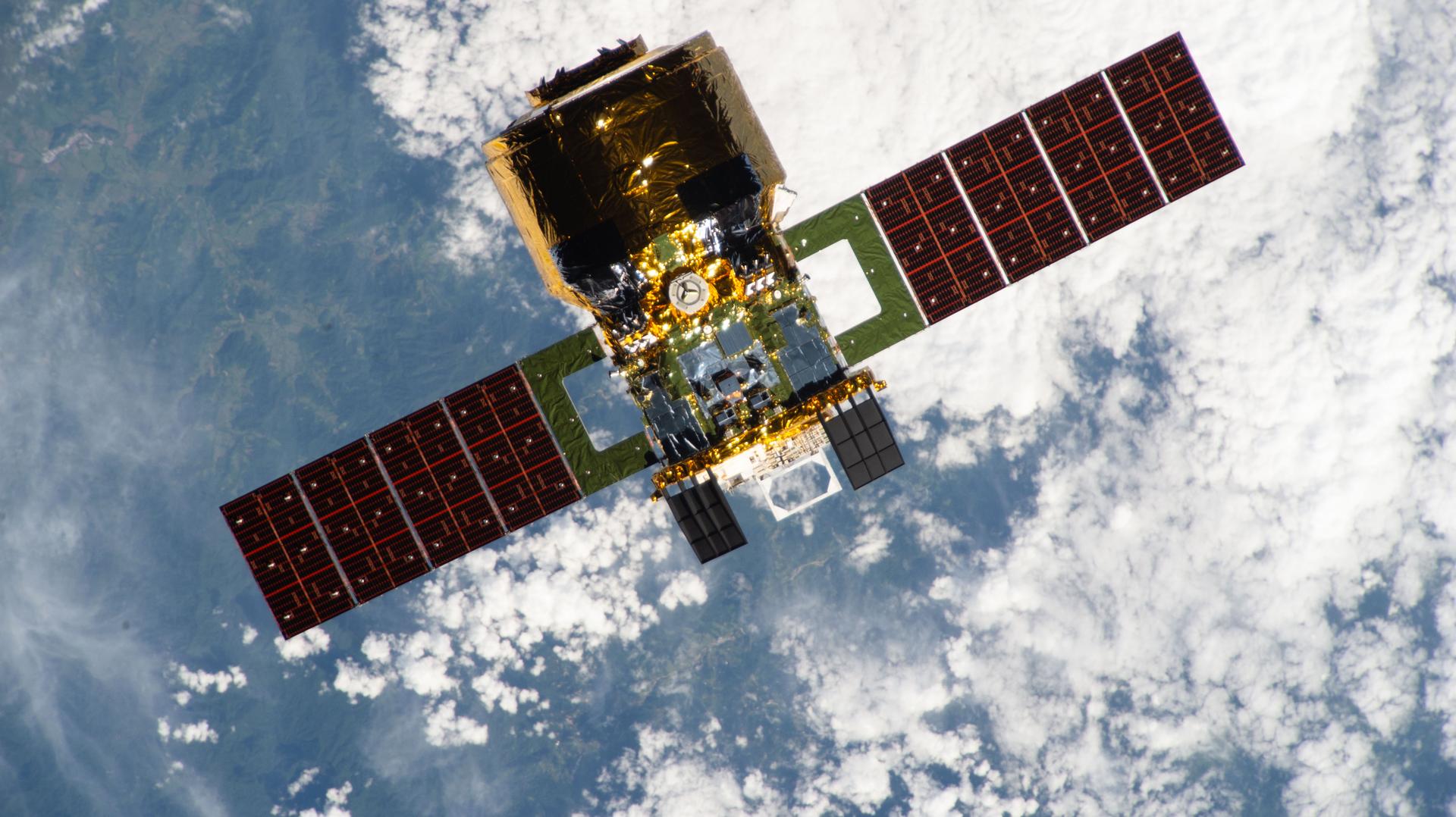
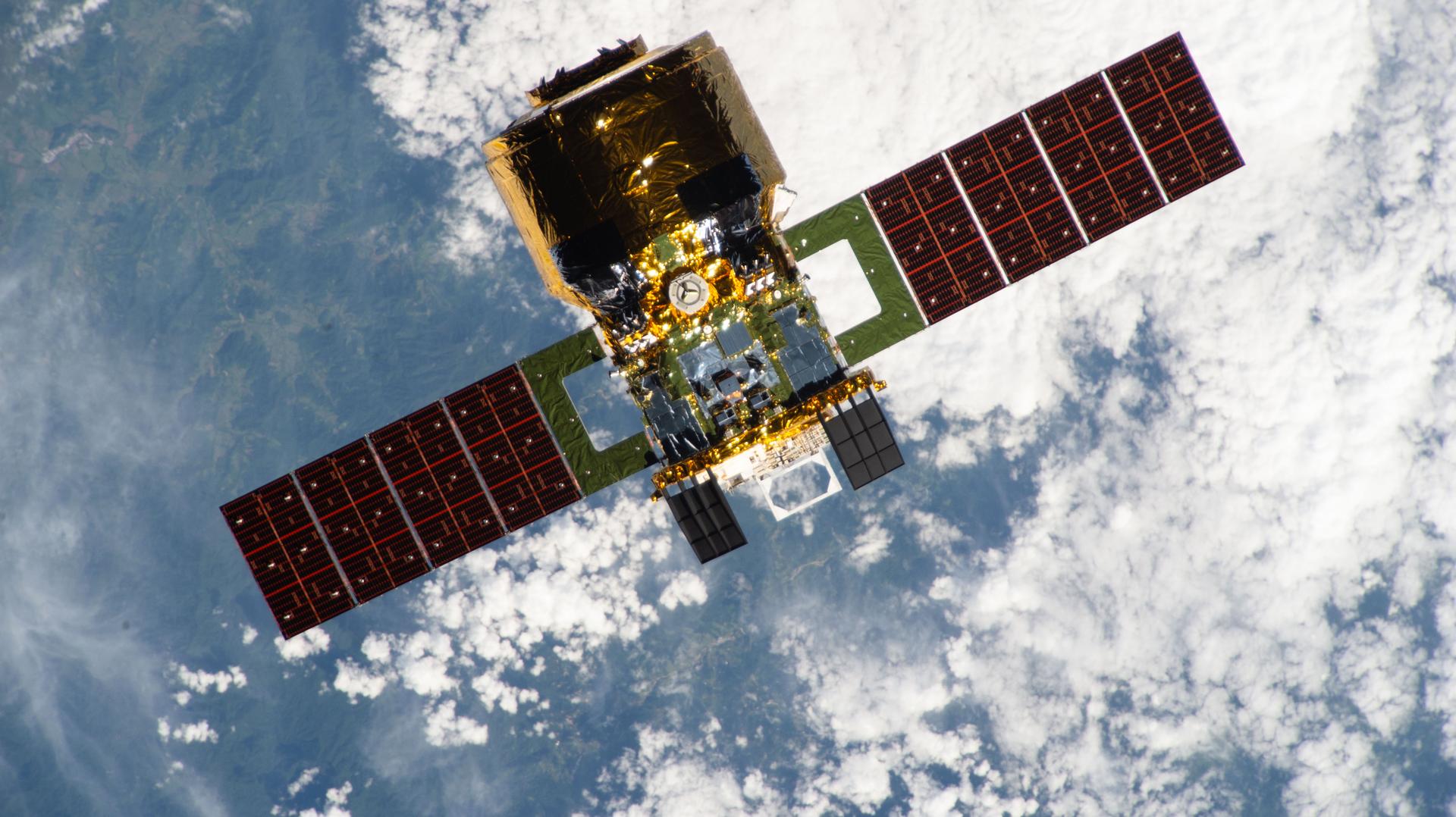
Williams also trained for the departure of JAXA’s (Japan Aerospace Exploration Agency) HTV-X1 cargo craft that launched to the space station in October from Tanegashima Space Center. He reviewed the procedures he will use when the Canadarm2 robotic arm releases the HTV-X1 into Earth orbit and when monitoring the Japanese cargo craft’s departure. Meir, after her spacesuit work, continued packing the HTV-X1 with trash and discarded gear.
The HTV-X1 will first be robotically detached from the Harmony module’s space-facing port on Thursday and parked overnight for a sensor demonstration test. Next, the Canadarm2 will release HTV-X1 at 12 p.m. EST on Friday for three months of remote science activities before its fiery, but safe reentry above the south Pacific Ocean. Live coverage begins at 11:45 a.m. EST on NASA+, Amazon Prime, and the agency’s YouTube channel.
Amid the spacesuit and cargo-packed schedule, the astronauts also worked on advanced technology and human research. Williams finished installing and configuring a pair of small robotic arms in the Kibo laboratory module that will test precision mobility and experiment automation in microgravity. Adenot took a cognition test to understand how living in microgravity affects orientation, reasoning, decision-making, and more. Meanwhile, Hathaway and Meir took turns pedaling on the Destiny laboratory module’s exercise cycle as a heart rate monitor measured their cardiac activity providing insights into microgravity’s effect on the human body.
In the Roscosmos segment of the orbital lab, flight engineers Sergei Mikaev and Andrey Fedyaev explored using artificial intelligence tools to log a crew member’s activities improving communications and crew effectiveness. Station commander Sergey Kud-Sverchkov performed a photographic inspection of the Zvezda service module’s windows then explored using molecular beams to grow semiconductor structures in an ultra-high vacuum.
Learn more about station activities by following the space station blog, @space_station on X, as well as the ISS Facebook and ISS Instagram accounts.
Get the latest from NASA delivered every week. Subscribe here.