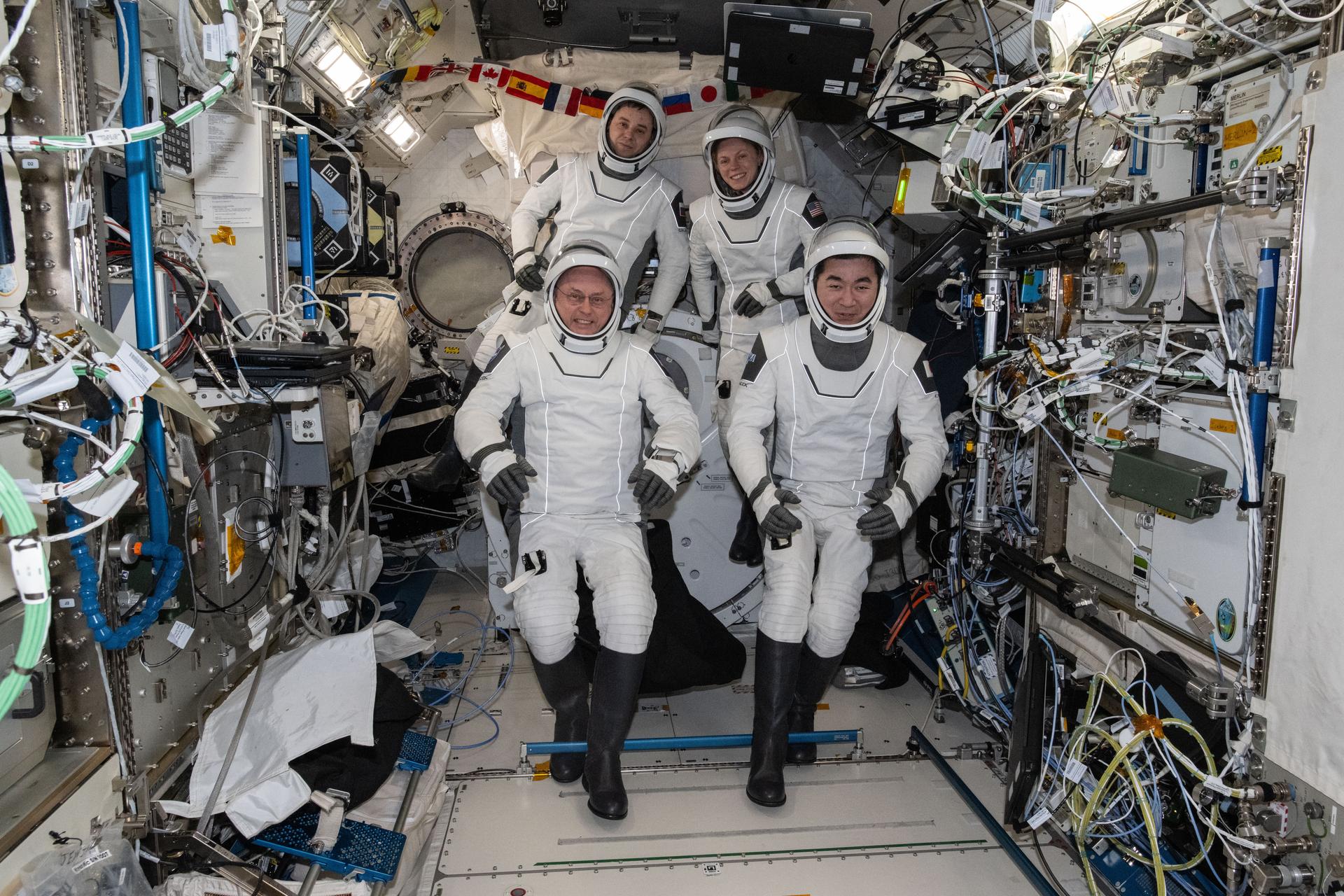
4 Min Read NASA’s SpaceX Crew-11 Wraps Up Space Station Science 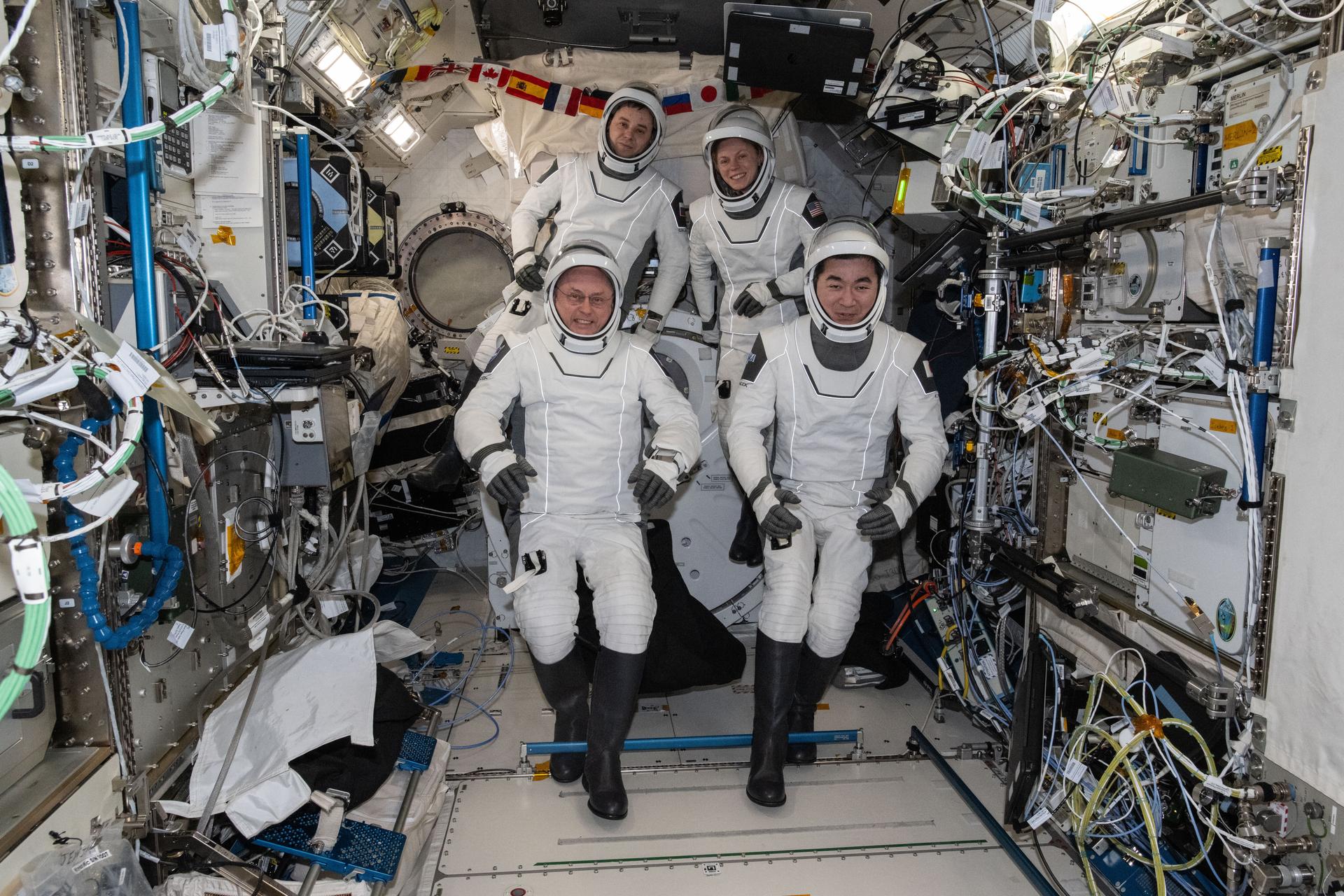 NASA’s SpaceX Crew-11 mission with agency astronauts Zena Cardman and Mike Fincke, JAXA (Japan Aerospace Exploration Agency) astronaut Kimiya Yui, and Roscosmos cosmonaut Oleg Platonov returned to Earth after a long-duration mission aboard the International Space Station.
During their stay, Cardman, Fincke, and Yui contributed more than 850 hours of research to help prepare humanity for the return to the Moon and future missions to Mars, while improving life back on Earth.
Here’s a glimpse into the science completed during the Crew-11 mission:
Bolstering bone resilience 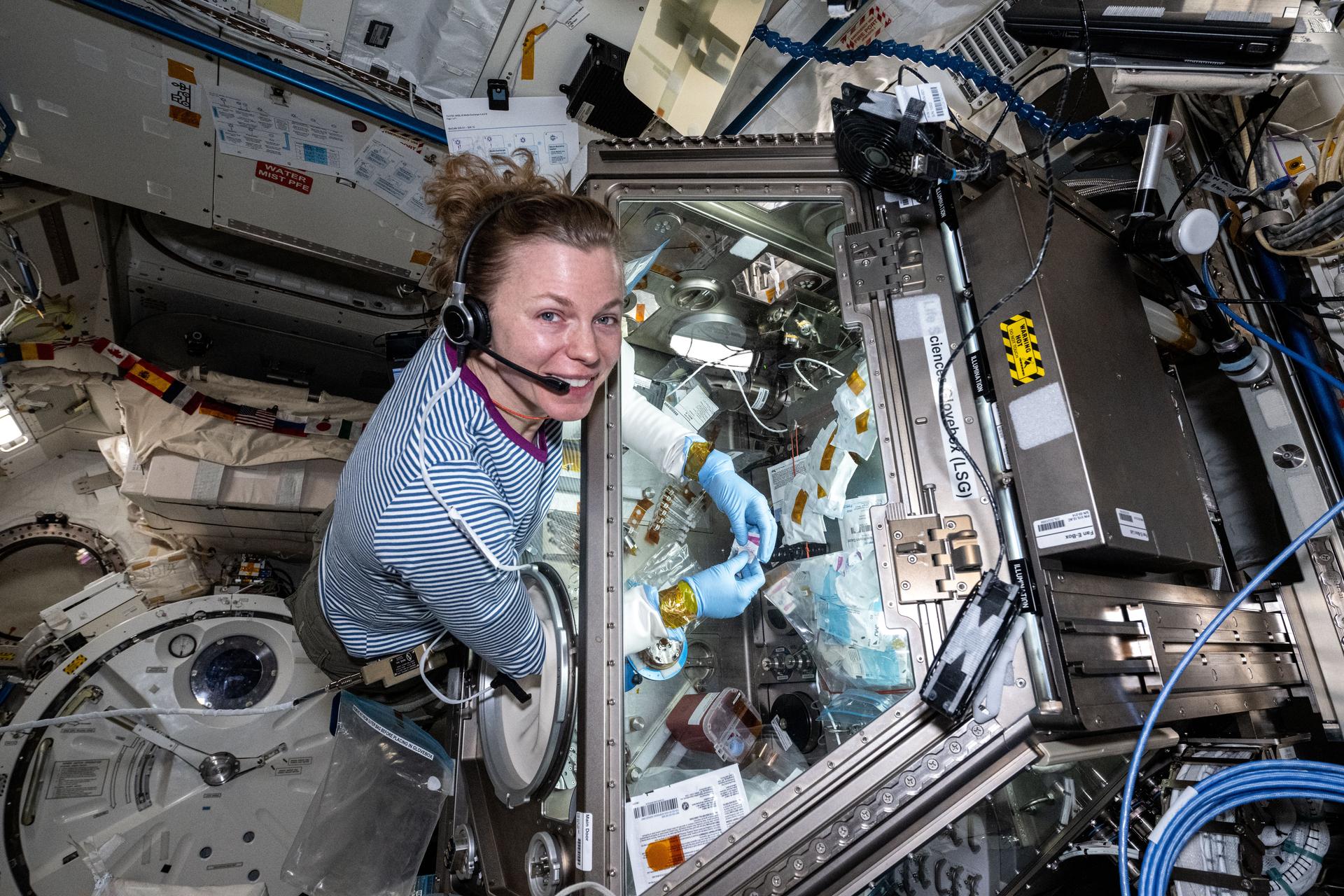 NASA astronaut Zena Cardman works with bone stem cells aboard the International Space Station to improve our understanding of how bone loss occurs during spaceflight. Studying bone cell activity in microgravity could help researchers learn how to control bone loss to protect astronauts’ bone density during future long-duration space missions and inform treatments for diseases like osteoporosis on Earth.
Learn more about MABL-B.
Observing Earth and beyond 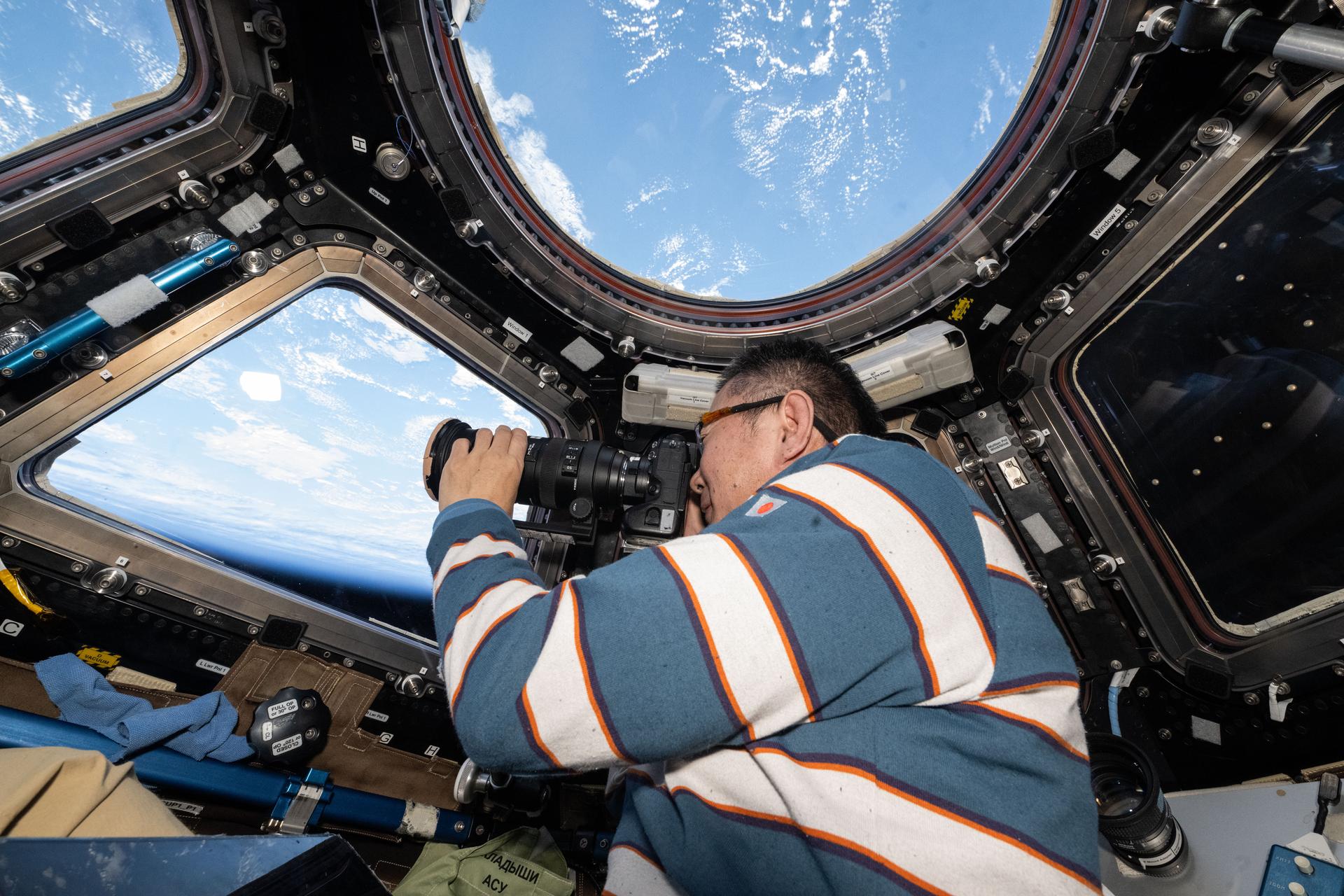 JAXA (Japan Aerospace Exploration Agency) astronaut Kimiya Yui photographs the Earth from the International Space Station’s cupola. For more than 40 years, astronauts have used hand-held cameras to capture millions of images documenting Earth’s geographic features, weather patterns, urban growth, changes to its surface, and the impacts of natural disasters such as hurricanes and floods.
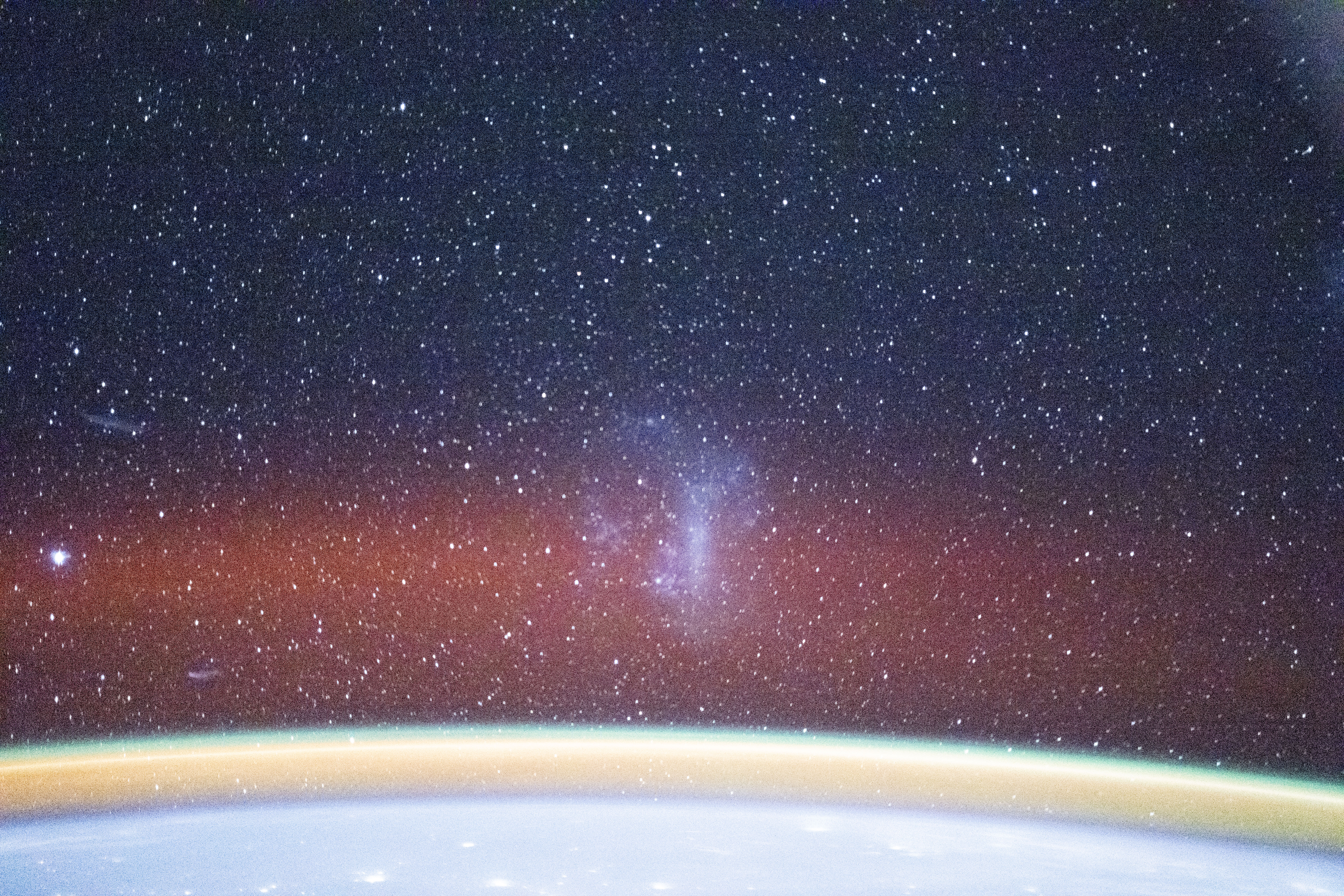 Astronauts also use the cupola and other viewports aboard the space station to gaze into the cosmos without Earth’s atmospheric interference. Just as viewing Earth from 250 miles above provides a new perspective on our home planet, looking out into the stars from the orbiting laboratory offers a clearer view of our universe.
Space catch  NASA astronaut Mike Fincke poses aboard the International Space Station with a new device designed to test an inflatable capture bag’s ability to open, close, and stay airtight in microgravity. This technology could be used to remove space debris from orbit, protecting future spacecraft and crew members. It also may enable trapping samples during exploration missions and support the capture and mining of small asteroids.
Learn more about Capture Bag Demo.
Tracking internal temperature 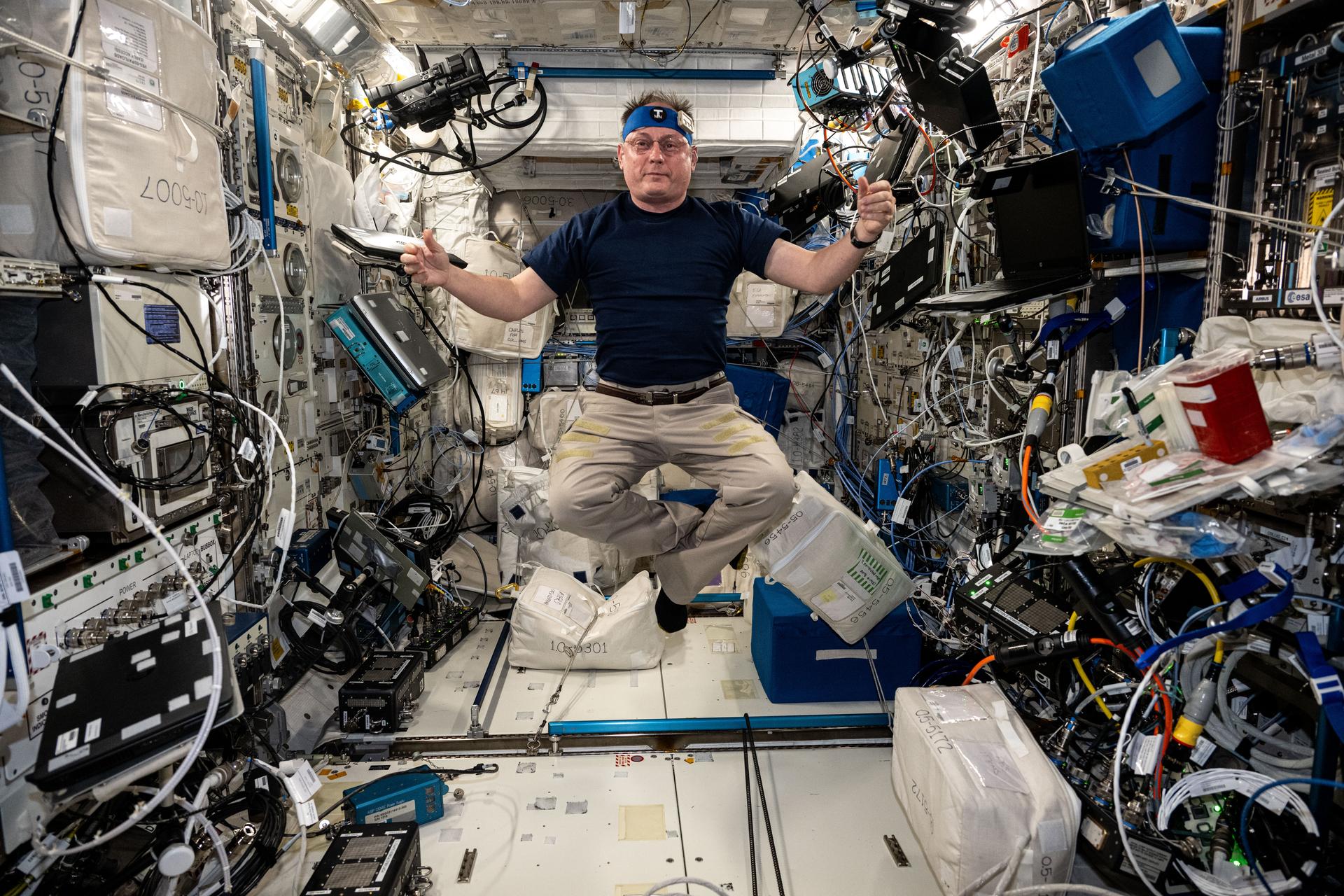 NASA astronaut Mike Fincke wears a temperature-monitoring headband that tracks how the human body regulates its core temperature during spaceflight. Adjusting to living and working aboard the International Space Station can influence human temperature regulation. This headband provides an easy, non-invasive way to collect temperature data while astronauts conduct their daily activities. The sensor is also being tested on Earth and may help prevent hyperthermia in people working in high-temperature environments.
Learn more about T-Mini.
A new cargo vehicle 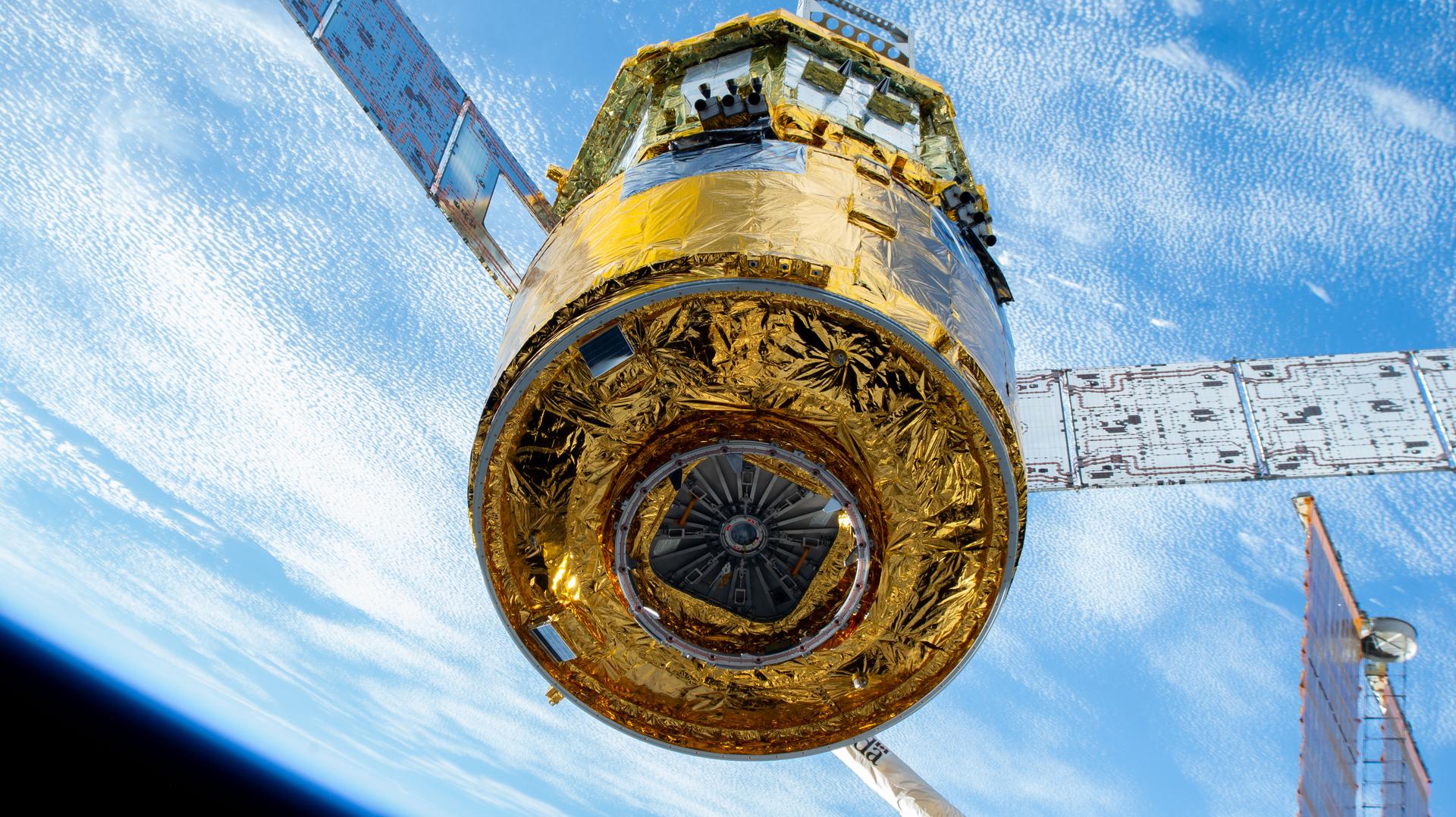 JAXA’s (Japan Aerospace Exploration Agency) new cargo resupply spacecraft, HTV-X1, is shown after being captured by the International Space Station’s Canadarm2 robotic arm during the Crew-11 mission. The spacecraft launched from Tanegashima Space Center on Oct. 26, 2025, delivering approximately 12,800 pounds of science, supplies, and hardware to the orbital complex. New cargo spacecraft expand the station’s capability to support more research and receive critical supplies.
Making nutrients on demand 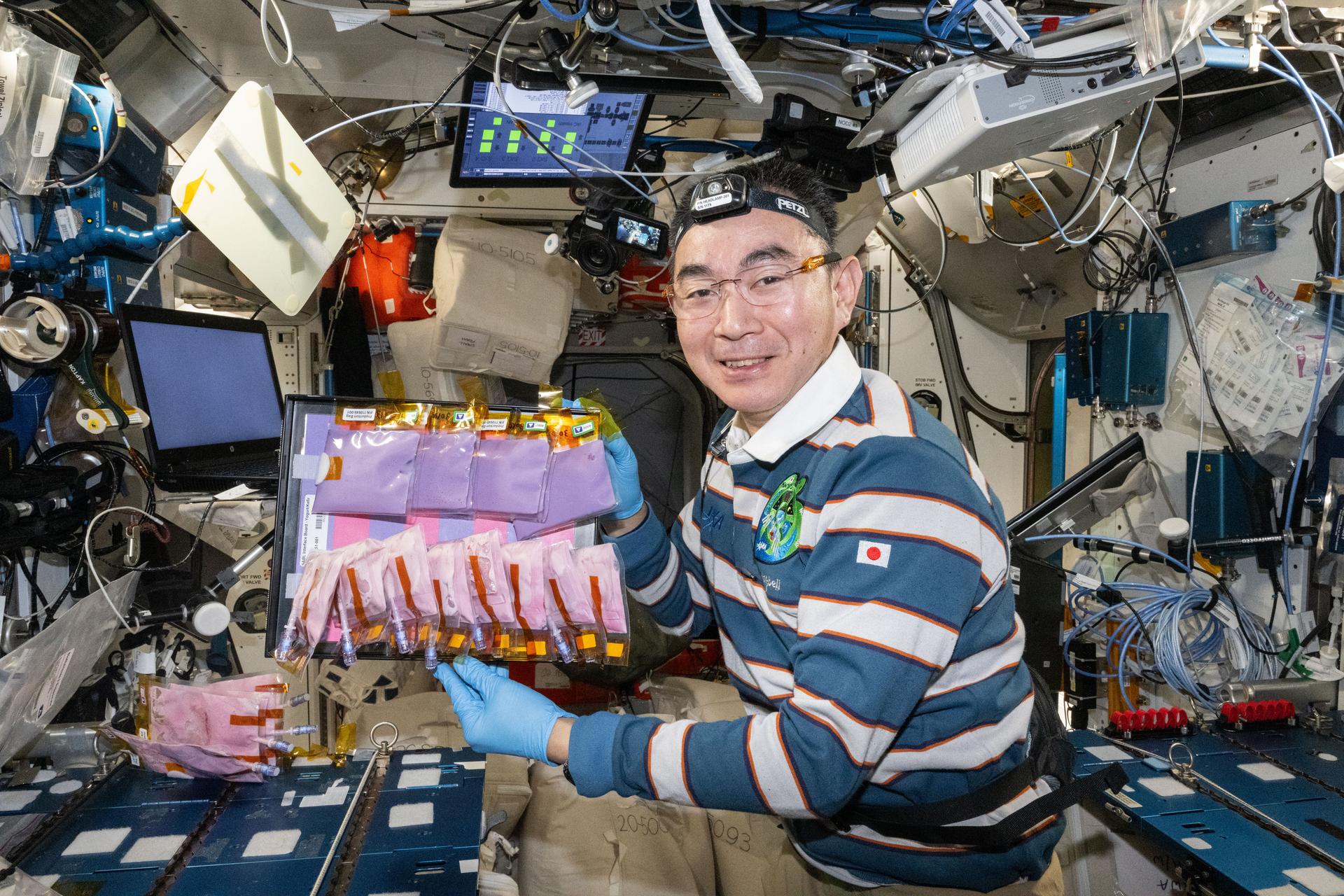 JAXA (Japan Aerospace Exploration Agency) astronaut Kimiya Yui holds yogurt bags produced aboard the International Space Station that could provide important nutrients during missions far from Earth. Certain nutrients degrade when stored for long periods of time, and deficiency in even one can lead to illness. Researchers are building on previous experiments to develop a method for producing on-demand vitamins and nutrients in space using microorganisms.
Learn more about BioNutrients-3.
Celebrating a historic milestone 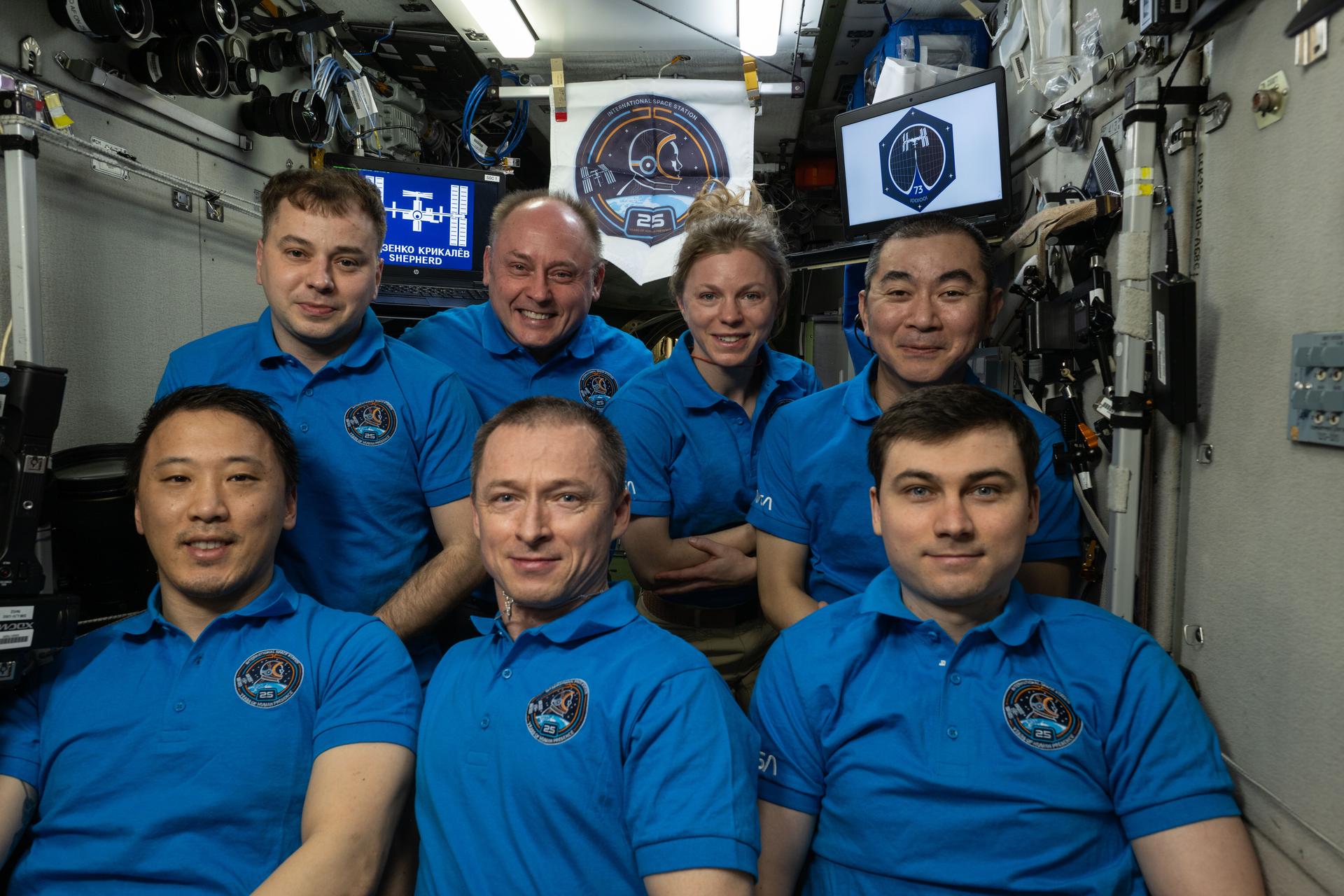 The Expedition 73 crew poses for a portrait to commemorate 25 years of continuous human presence aboard the International Space Station. In the front row from left, NASA astronaut Jonny Kim, Roscosmos cosmonaut Sergey Ryzhikov, and Roscosmos cosmonaut Alexey Zubritsky. In the back row, Roscosmos cosmonaut Oleg Platonov, NASA astronauts Mike Fincke and Zena Cardman, and JAXA (Japan Aerospace Exploration Agency) astronaut Kimiya Yui.
A truly global endeavor, the space station has been visited by more than 290 people from 26 countries, along with a variety of international and commercial spacecraft. Since the first crew arrived, NASA and its partners have conducted thousands of research investigations and technology demonstrations to advance exploration of the Moon and Mars and benefit life on Earth.
Keep Exploring Discover More Topics From NASA International Space Station
 Space Station Research and Technology Resources
 Space Station Research Results
 Latest News from Space Station Research