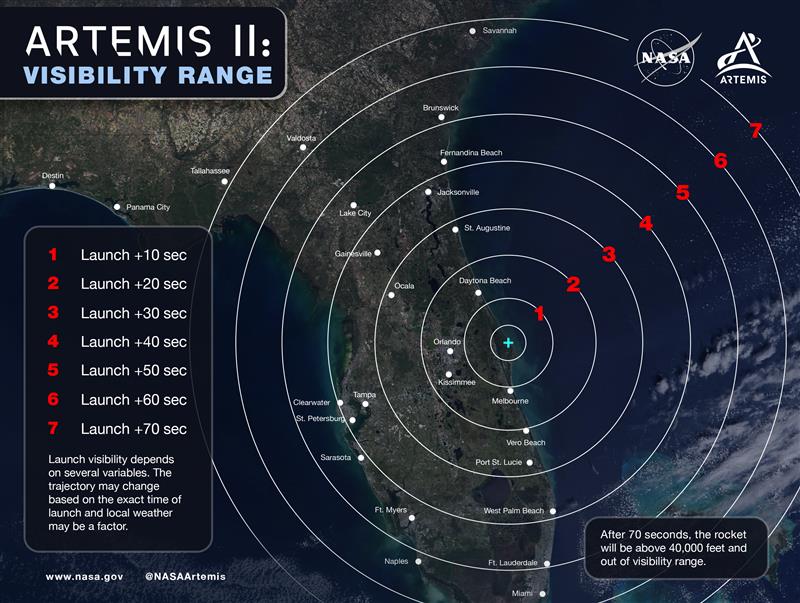
As the Artemis II countdown moves steadily toward liftoff no earlier than 6:24 p.m. EDT, Wednesday, April 1, launch teams at NASA’s Kennedy Space Center in Florida continue completing a sequence of highly choreographed steps to ready the SLS (Space Launch System) rocket and Orion spacecraft for the crew’s journey around the Moon.
The weather forecast for launch day shows an 80% chance of favorable weather conditions with primary concerns being cumulus clouds, ground winds, and solar weather. NASA and weather officers with the U.S. Space Force’s Space Launch Delta 45 will continue to monitor the weather leading up to liftoff.
Engineers began the day by finishing critical health checks on the rocket’s four RS‑25 engines, confirming that sensors, connections, and diagnostics were all performing as expected. Their readiness marks an important milestone as cryogenic operations approach.
Meanwhile, the SLS upper stage – the interim cryogenic propulsion stage – having completed its earlier power‑up and verification activities, was powered down into a safe, stable configuration.
Teams also brought the Orion spacecraft’s flight batteries to full charge, ensuring dependable power for avionics, life support, and communications throughout launch and early flight. Soon after, engineers began charging the rocket’s core stage flight batteries, which is another essential step to support sensors and control systems during launch and ascent.
As launch approaches, preparations increasingly focus on operations to support the crew. Engineers performed regulator leak checks on the astronauts’ pressure suits inside Orion, verifying airtight seals and pressure control systems. These checks ensure the suits are ready to protect the crew in the unlikely event of cabin depressurization.
Tonight at Launch Complex 39B, engineers will shift the pad environment toward its final configuration. All non-essential personnel will depart the area, leaving only the specialists required for the remaining prelaunch tasks. Clearing the pad minimizes risk as cryogenic loading draws closer.
In the early morning hours of launch day, teams will activate another critical component of the countdown: the ground launch sequencer. This automated system will orchestrate thousands of commands in the final minutes before liftoff, managing valve movements, system transitions, and timing cues that prepare the rocket for the terminal count.
Finally, engineers will initiate the air‑to‑gaseous nitrogen changeover inside the rocket’s cavities, which is an important safety step that replaces atmospheric air with inert nitrogen gas. By displacing oxygen and moisture, technicians create a stable, non-reactive environment ahead of fueling operations.
NASA broadcast coverage of tanking operations begins on launch day at 7:45 a.m. EDT on NASA’s YouTube channel, as teams load propellant into the SLS rocket. Full launch coverage begins at 12:50 p.m. on NASA+, Amazon Prime, and YouTube. Learn how to watch NASA content through a variety of online platforms, including social media.
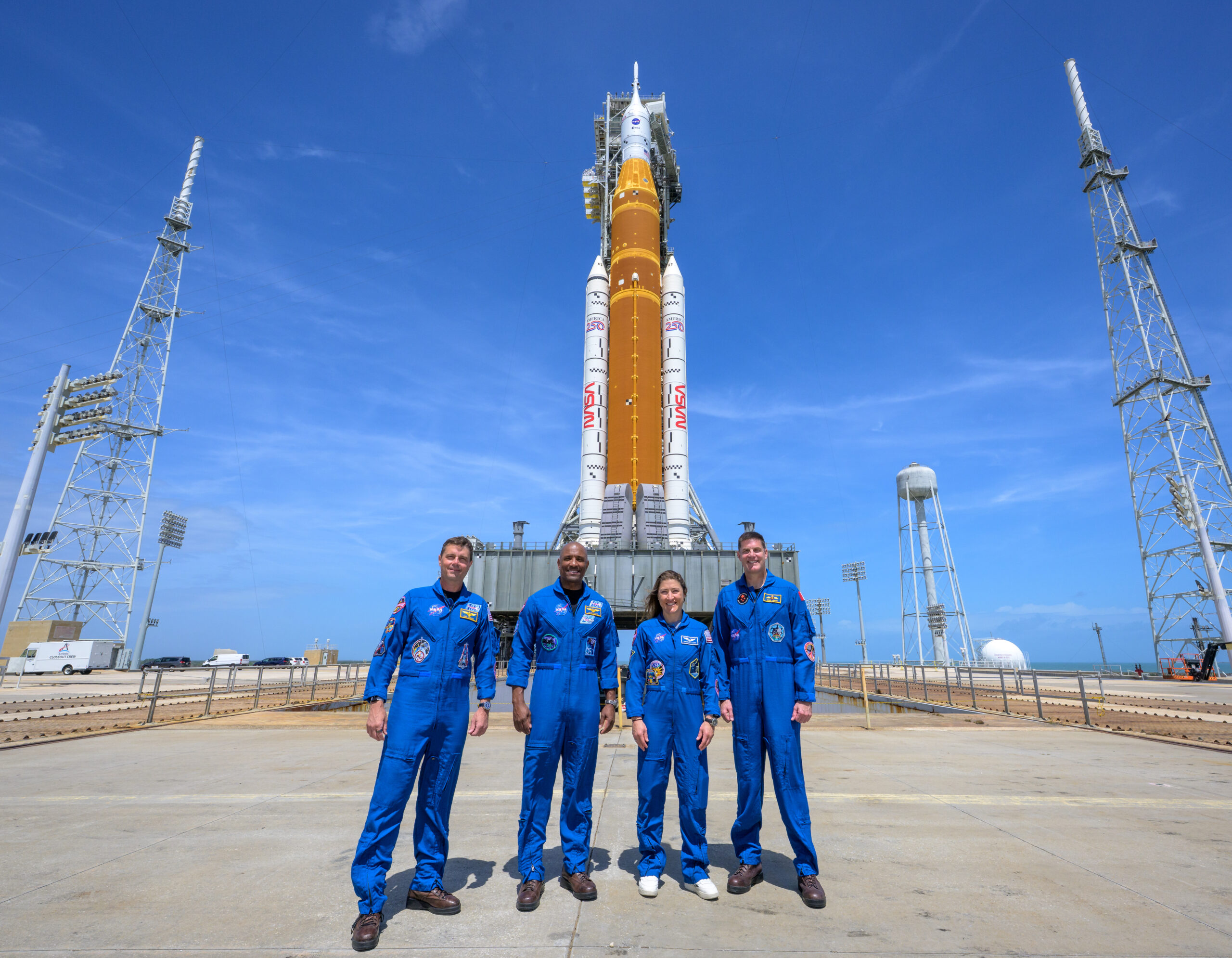
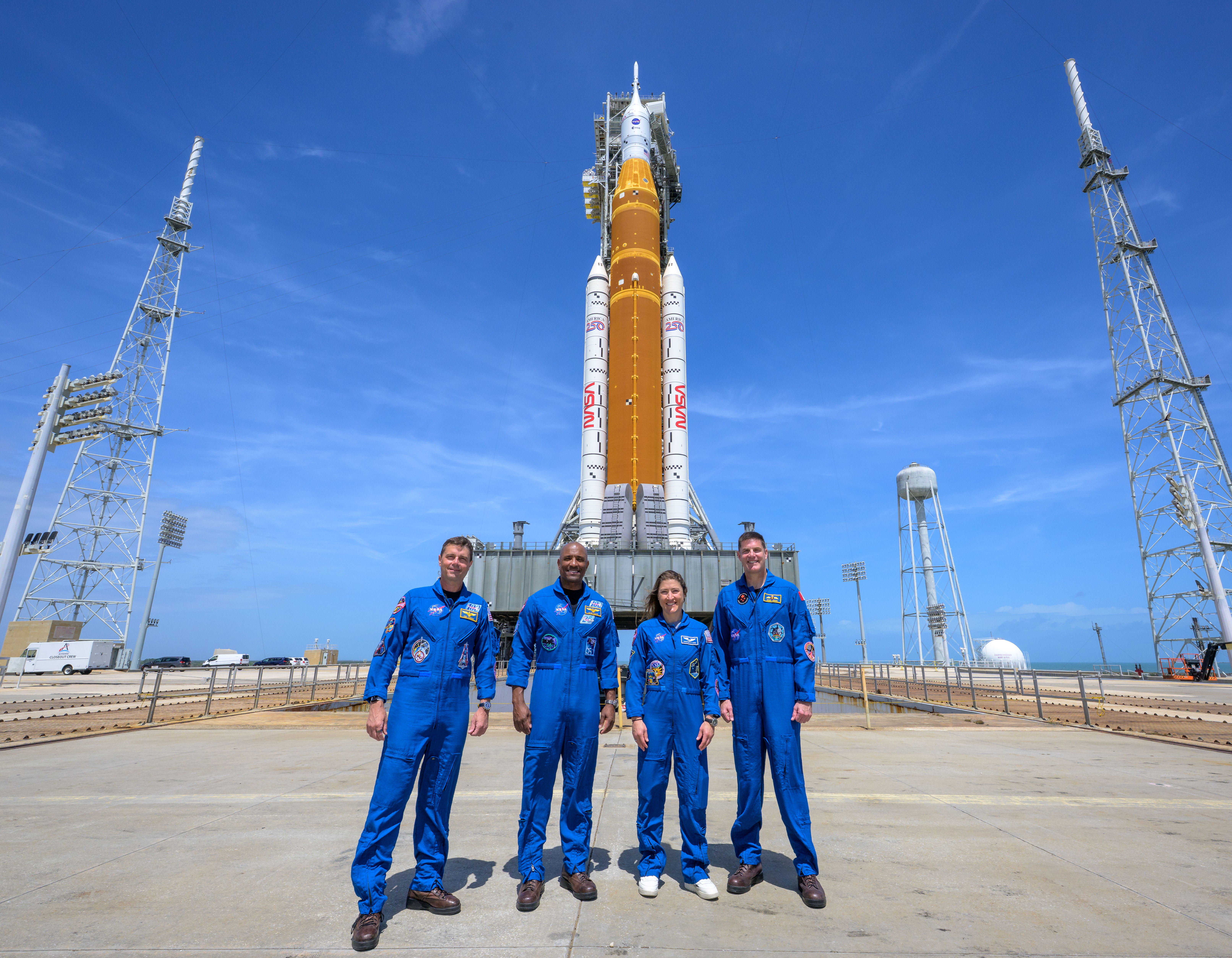
NASA’s first crewed mission under the Artemis program, Artemis II will send NASA astronauts Reid Wiseman, Victor Glover, Christina Koch, and CSA (Canadian Space Agency) astronaut Jeremy Hansen on an approximately 10-day journey around the Moon.