Live coverage of the departure of Northrop Grumman’s Cygnus XL cargo spacecraft from the International Space Station is underway on NASA+, Amazon Prime, and the agency’s YouTube channel. The spacecraft’s release is scheduled for 7:05 a.m. EDT.
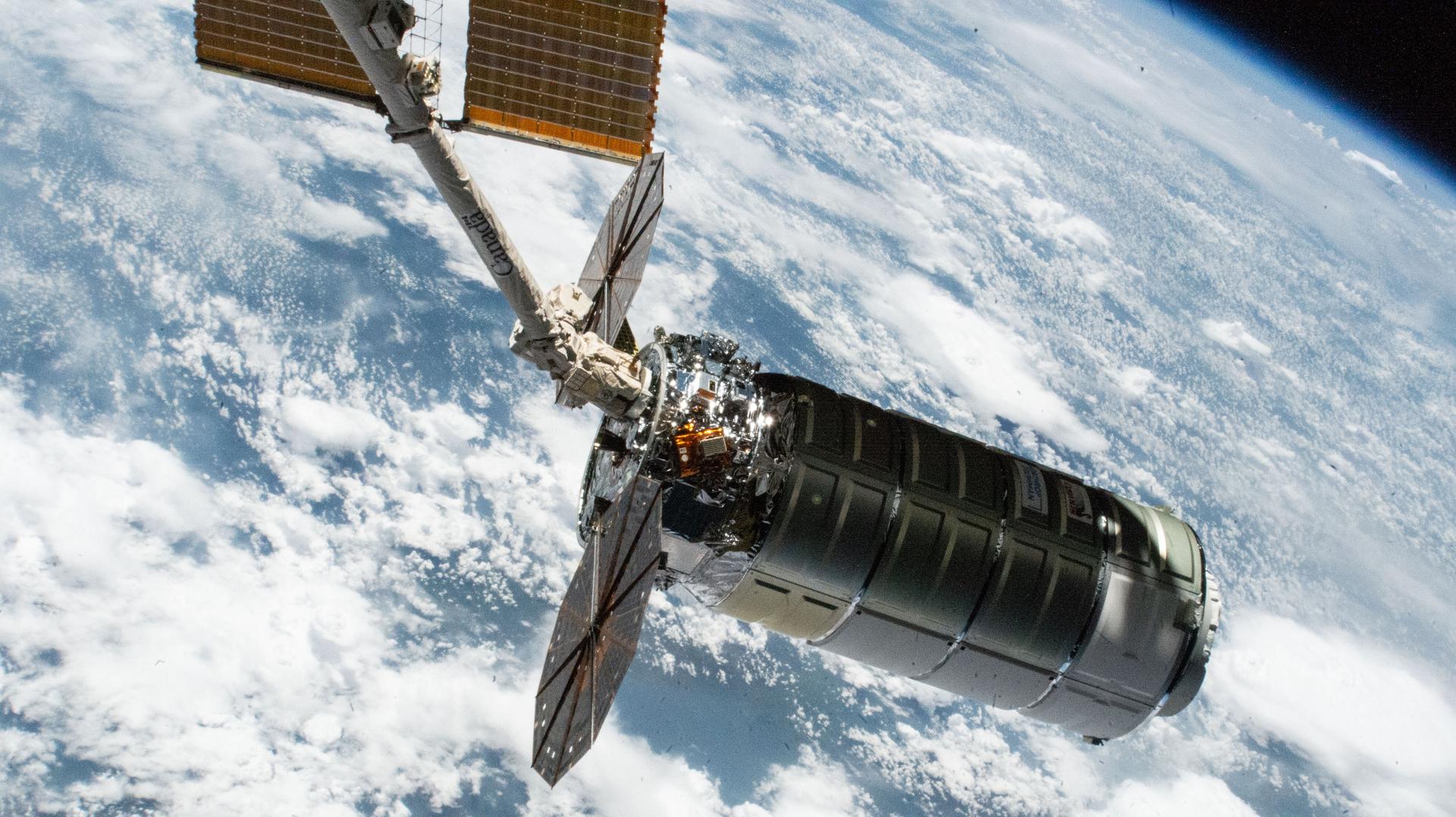
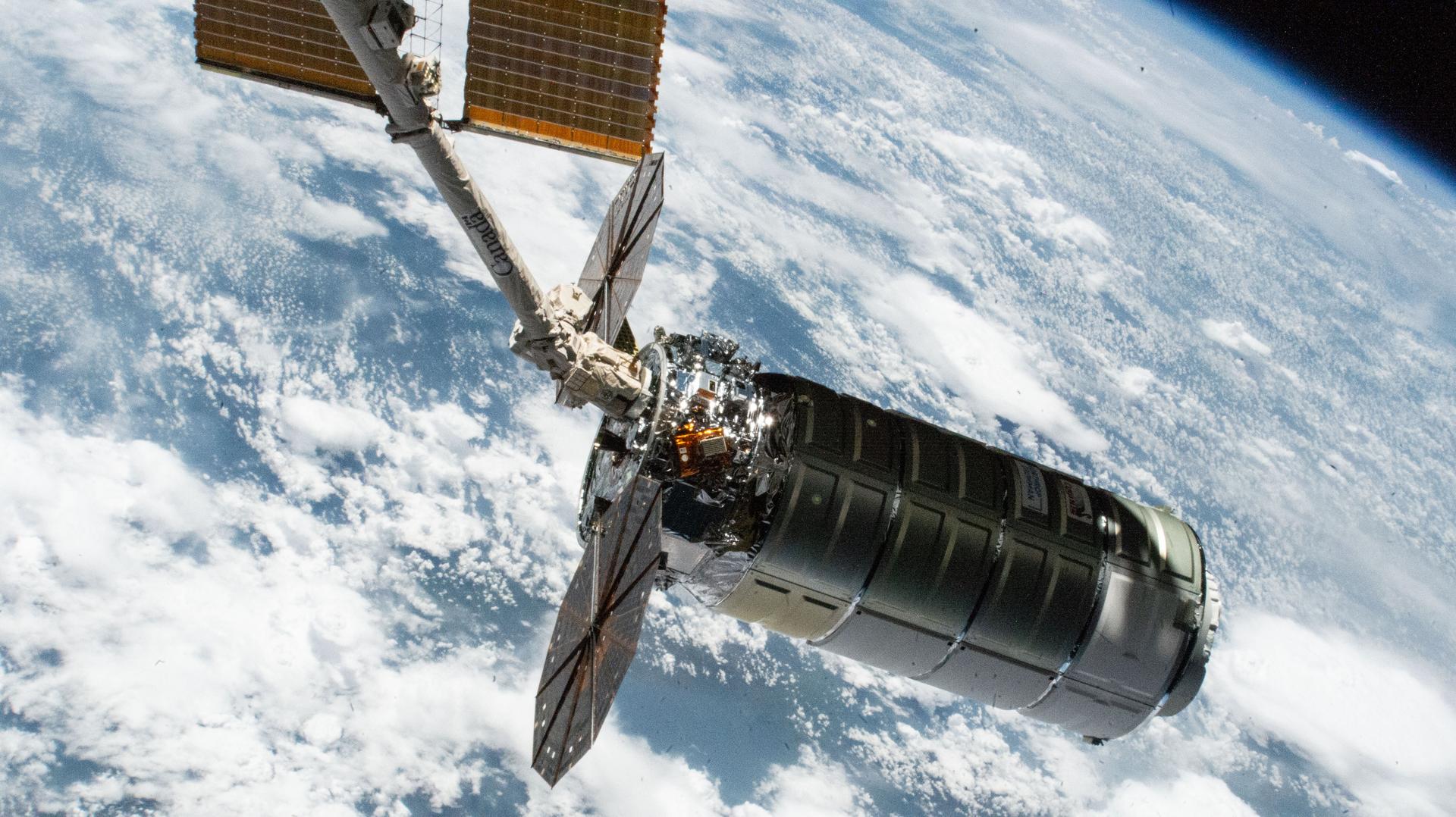
Flight controllers on the ground will send commands for the space station’s Canadarm2 robotic arm to detach the Cygnus XL spacecraft from the Unity module’s Earth-facing port and maneuver it into position for release. ESA (European Space Agency) astronaut Sophie Adenot will monitor Cygnus’ systems as it departs.
Cygnus XL will be commanded to deorbit on Saturday, March 14, to dispose of several thousand pounds of trash during its re-entry into Earth’s atmosphere, where it will harmlessly burn up.
The Northrop Grumman spacecraft launched in September 2025 on a SpaceX Falcon 9 rocket from Space Launch Complex 40 at Cape Canaveral Space Force Station in Florida. This mission was the first flight of the larger, more cargo-capable version of the solar-powered spacecraft.
Northrop Grumman named the spacecraft the S.S. William “Willie” McCool in honor of the NASA astronaut who perished in 2003 during the space shuttle Columbia accident.
Learn more about station activities by following the space station blog, @space_station on X, as well as the ISS Facebook and ISS Instagram accounts.
Get the latest from NASA delivered every week. Subscribe here.