2 Min Read Curiosity Studies Nodules on Boxwork Formations  PIA26697 Credits:
NASA/JPL-Caltech/MSSS Photojournal Navigation Science Photojournal Curiosity Studies Nodules on… Photojournal Home Photojournal Search Latest Content Galleries Feedback RSS About Downloads Curiosity Studies Nodules on Boxwork Formations
JPEG (291.85 KB)
 PIA26697 Figure A
JPEG (291.92 KB)
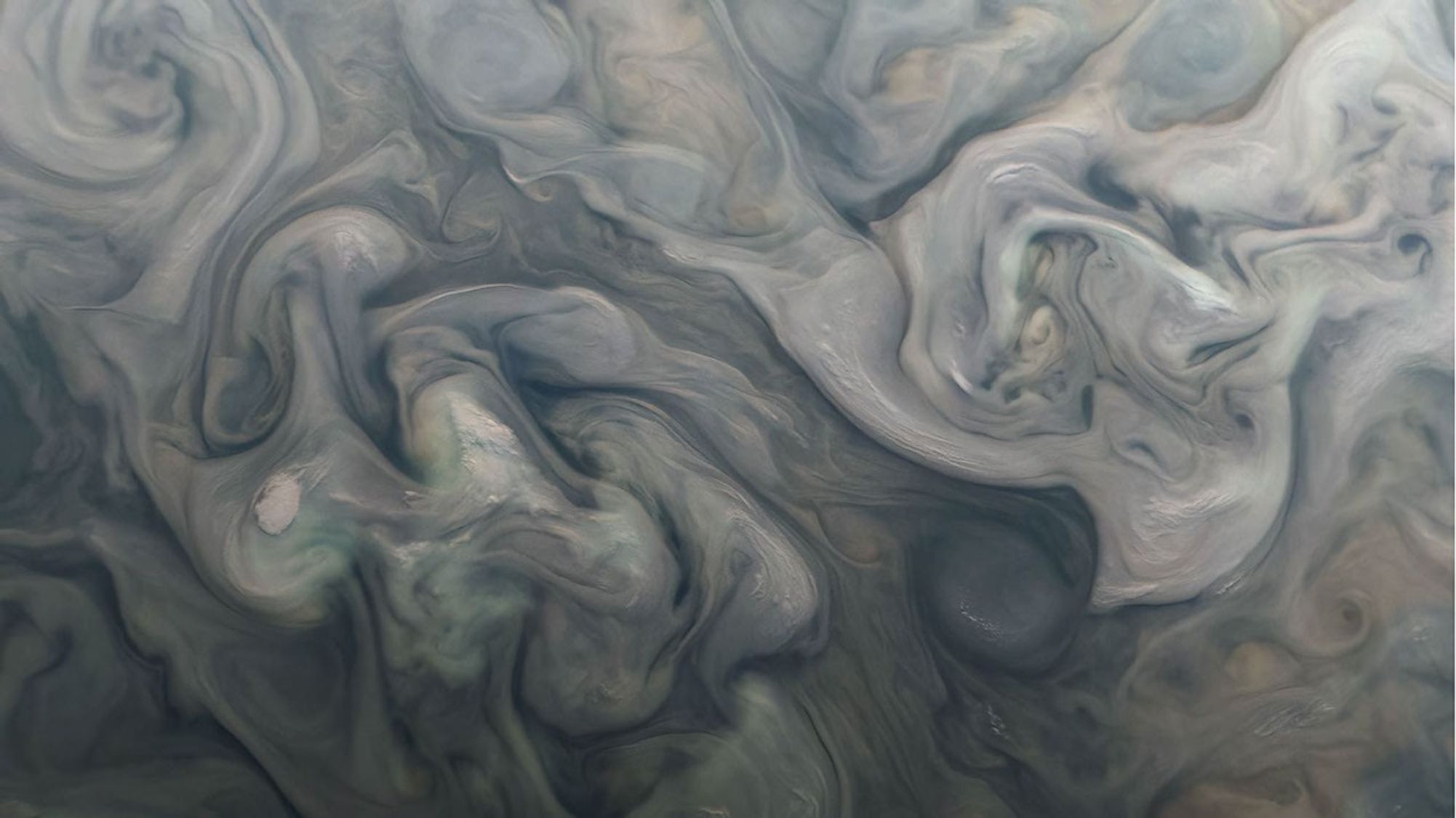
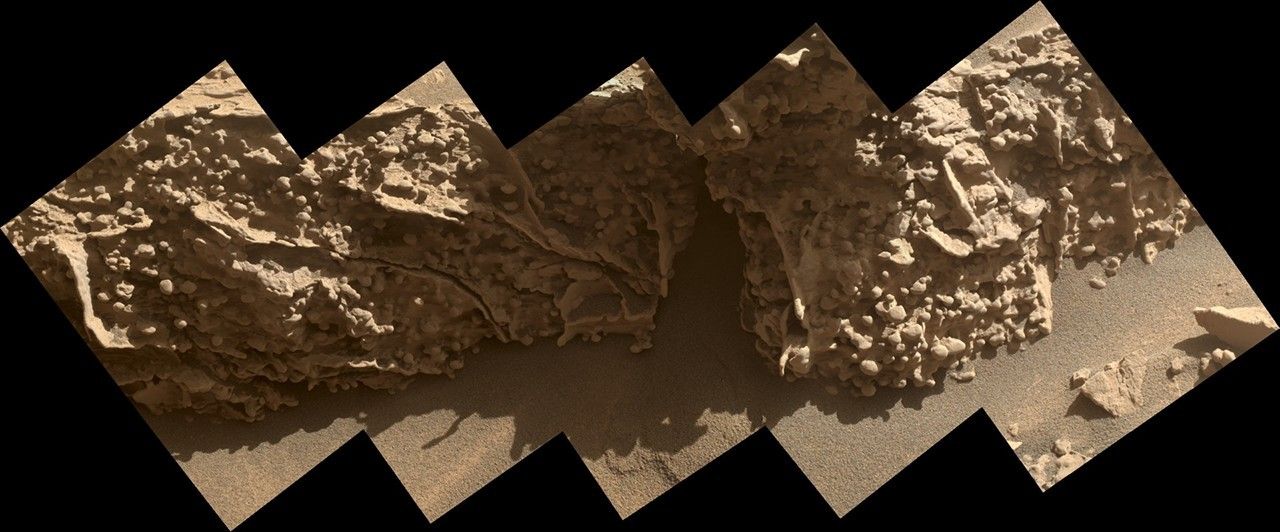
Description NASA’s Curiosity Mars rover discovered these bumpy, pea-sized nodules while exploring a region filled with boxwork formations — low ridges standing roughly 3 to 6 feet (1 to 2 meters) tall with sandy hollows in-between. This mosaic is made up of 50 individual images taken by Curiosity’s Mars Hand Lens Imager (MAHLI), a camera on the end of the rover’s robotic arm, on Aug. 21, 2025, the 4,636th Martian day, or sol, of the mission. Ten images at different focus settings were taken at each of five locations to produce a sharp mosaic. The images were stitched together after being sent back to Earth.
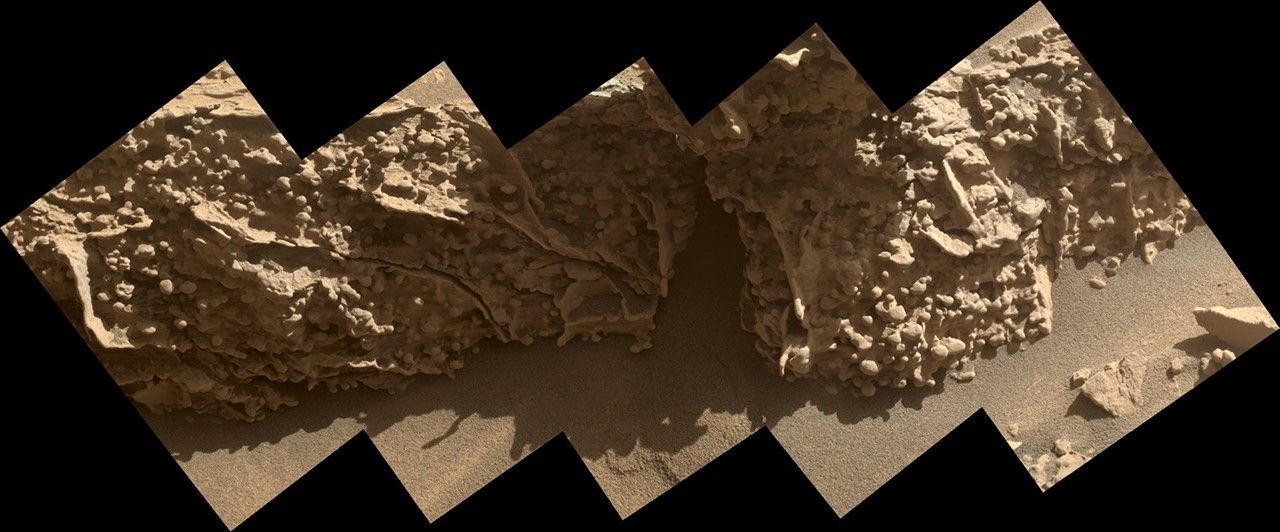
Figure A Figure A is the same image with a small scale bar added to the right-hand side.
Nodules like these have been seen many times before on the Red Planet, including by Curiosity. They were made by minerals left behind as water dried billions of years ago. Crisscrossing the surface for miles, the boxwork formations suggest ancient groundwater flowed on this part of the Red Planet later than expected, raising new questions about how long microbial life could have survived on Mars billions of years ago, before rivers and lakes dried up.
The boxwork ridgetops often include a dark line the team refers to as “central fractures,” where groundwater originally seeped through a rock crack, allowing minerals to concentrate. Surprisingly, the mission did not find nodules near these central fractures. Instead, they were found along the walls of the ridges and in the hollows between them. The wavy ridges between the groups of nodules are mineral veins made of calcium sulfate, also deposited by groundwater.
Curiosity was built by NASA’s Jet Propulsion Laboratory, which is managed by Caltech in Pasadena, California. JPL leads the mission on behalf of NASA’s Science Mission Directorate in Washington as part of NASA’s Mars Exploration Program portfolio. MAHLI was built by Malin Space Science Systems in San Diego.
To learn more about Curiosity, visit:
science.nasa.gov/mission/msl-curiosity
Keep Exploring Discover More Topics From Photojournal Photojournal