
After their historic lunar flyby on April 6, the Artemis II crew is awake and preparing for the journey back to Earth. The crew started the day 36,286 miles from the Moon and 236,022 miles from Earth, waking to the sounds of “Tokyo Drifting,” by Glass Animals and Denzel Curry.
At 1:23 p.m. EDT, the Orion spacecraft and its crew — NASA astronauts Reid Wiseman, Victor Glover, and Christina Koch, along with CSA (Canadian Space Agency) astronaut Jeremy Hansen — will exit the lunar sphere of influence, marking their shift out of the Moon’s gravity.
First images from flyby
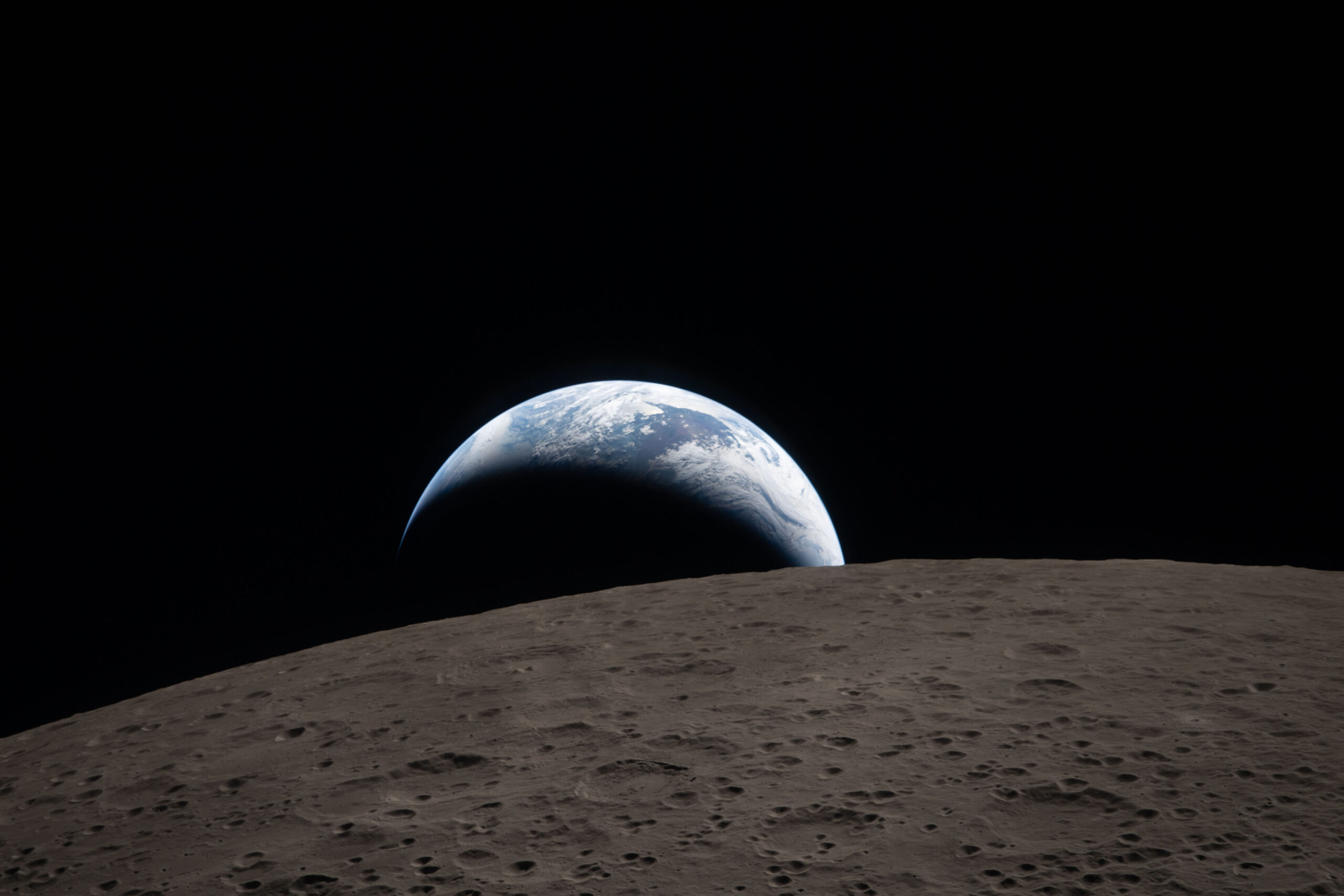
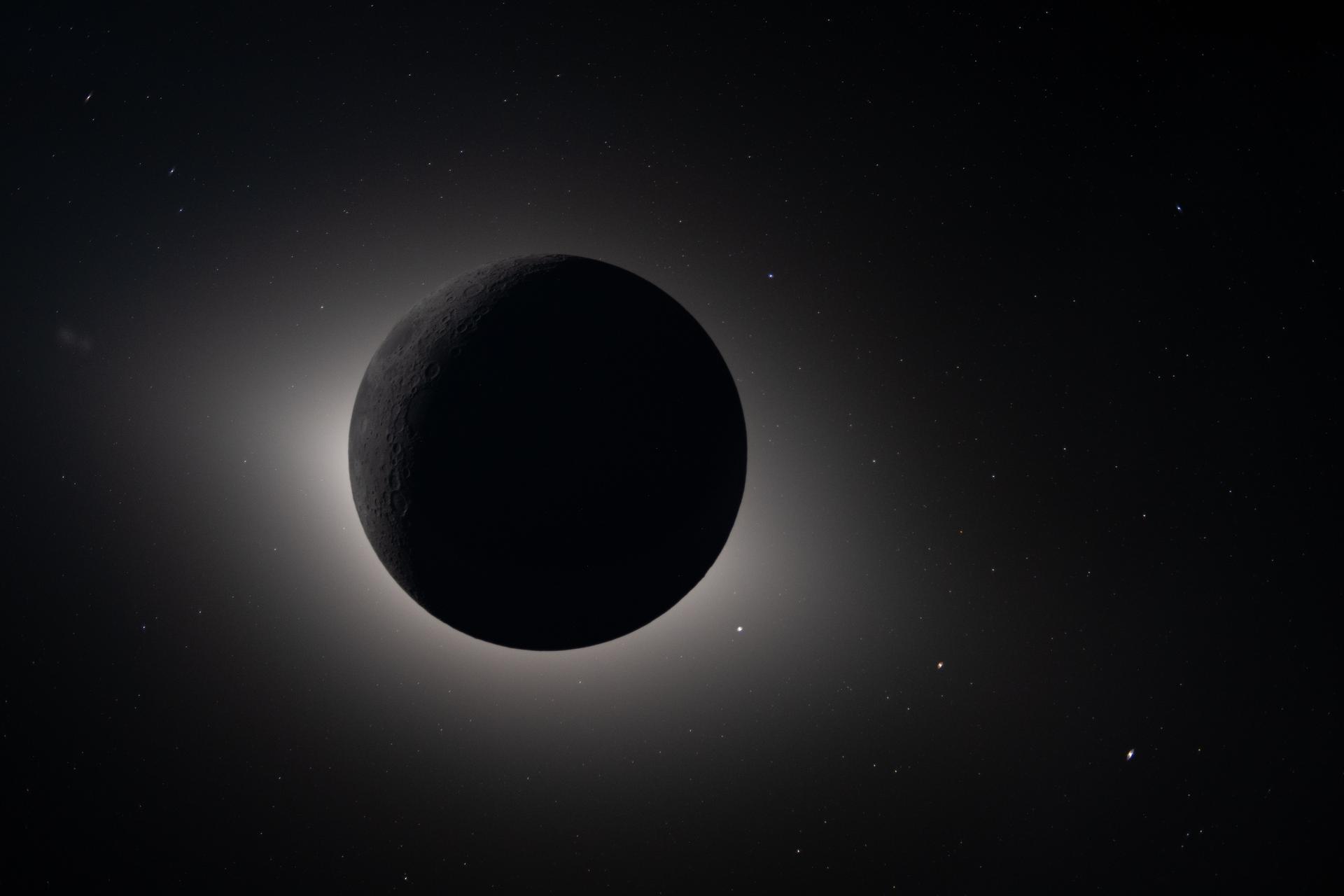
Earlier Tuesday, The White House and NASA shared the first images from the lunar flyby featuring Earthset (above) and the solar eclipse (below):
Artemis II reaches out to Expedition 74
The Artemis II crew will speak with NASA astronauts Jessica Meir, Jack Hathaway, and Chris Williams, and ESA (European Space Agency) astronaut Sophie Adenot aboard the International Space Station during a 15-minute ship-to-ship, audio-only call beginning at 2:40 p.m. to share their mission experiences. The call can be heard on NASA’s YouTube channel.
Lunar science download
Before Orion travels too far from the Moon, the crew will join science officers on the ground at 3 p.m. for a debrief. Teams are eager to hear the crewmembers’ impressions while yesterday’s lunar flyby is still fresh in their minds, gathering insights that will help inform future lunar science and exploration efforts.
Taking a break
Following the science debrief, the crew will have staggered off-duty periods, giving them time to rest and recharge before beginning their final tasks for the return to Earth.
NASA will host a mission status briefing at 4:30 p.m. on the agency’s YouTube channel.
Homeward bound
Marking their first push home, Orion’s thrusters are planned to ignite at 9:03 p.m. for the first of three return trajectory correction burns. This maneuver will adjust the spacecraft’s path and refine Orion’s course toward Earth. Koch and Hansen will review procedure and monitor spacecraft systems during the return burn.
View the latest imagery from the Artemis II mission on our Artemis II Multimedia Resource Page. Please follow @NASAArtemis on X, Facebook, and Instagram for real-time updates. Live mission coverage is available on NASA’s YouTube channel.