2 min read
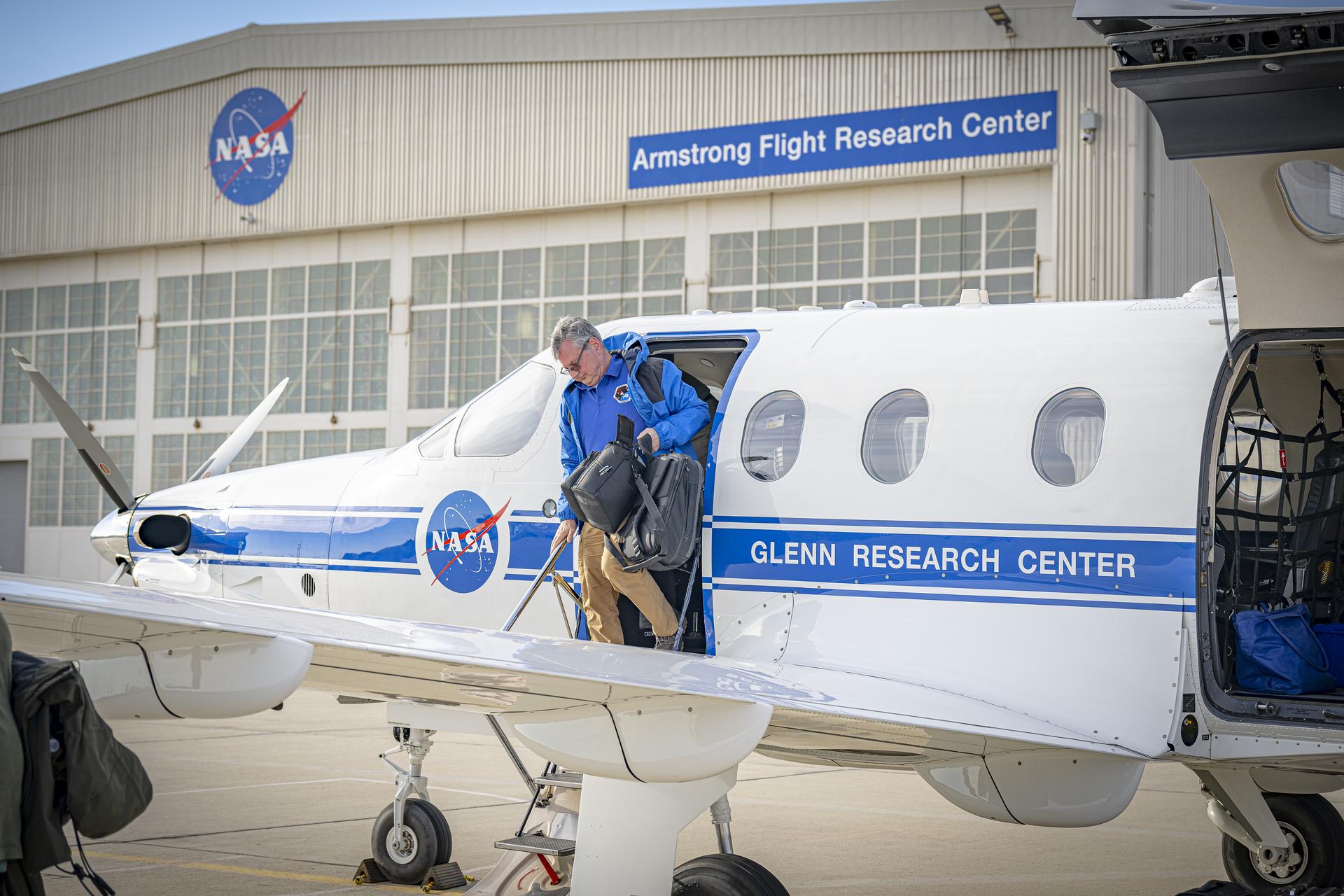
Preparations for Next Moonwalk Simulations Underway (and Underwater) 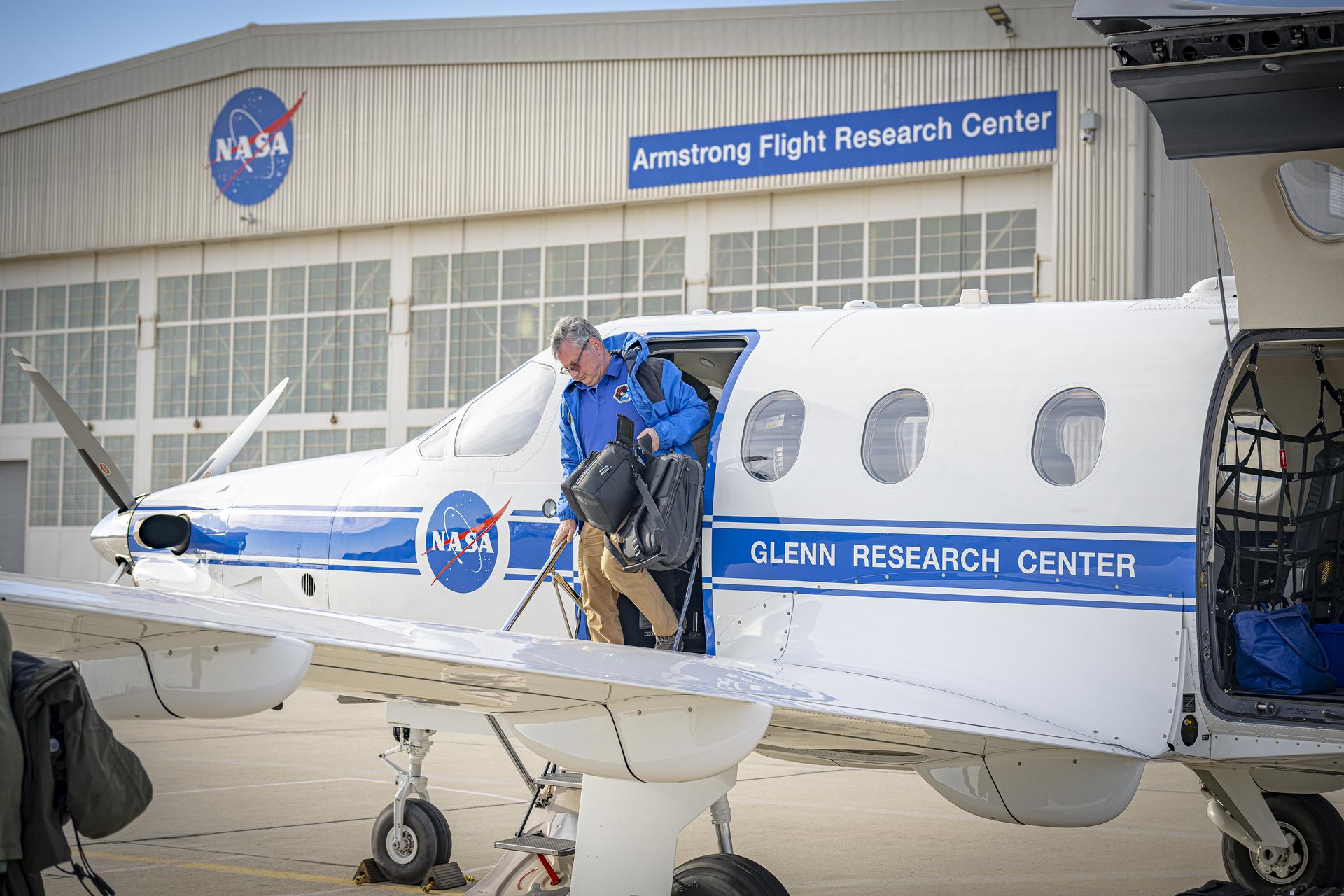 Kurt Blankenship, a NASA pilot from NASA’s Glenn Research Center in Cleveland, walks out of a NASA Pilatus PC-12 aircraft, tail number 606. This aircraft arrived at NASA’s Armstrong Flight Research Center in Edwards, California, on Feb. 11, 2026. The PC-12 is now housed at NASA Armstrong to continue supporting research at NASA’s Glenn, among other agency efforts. NASA/Christopher LC Clark
 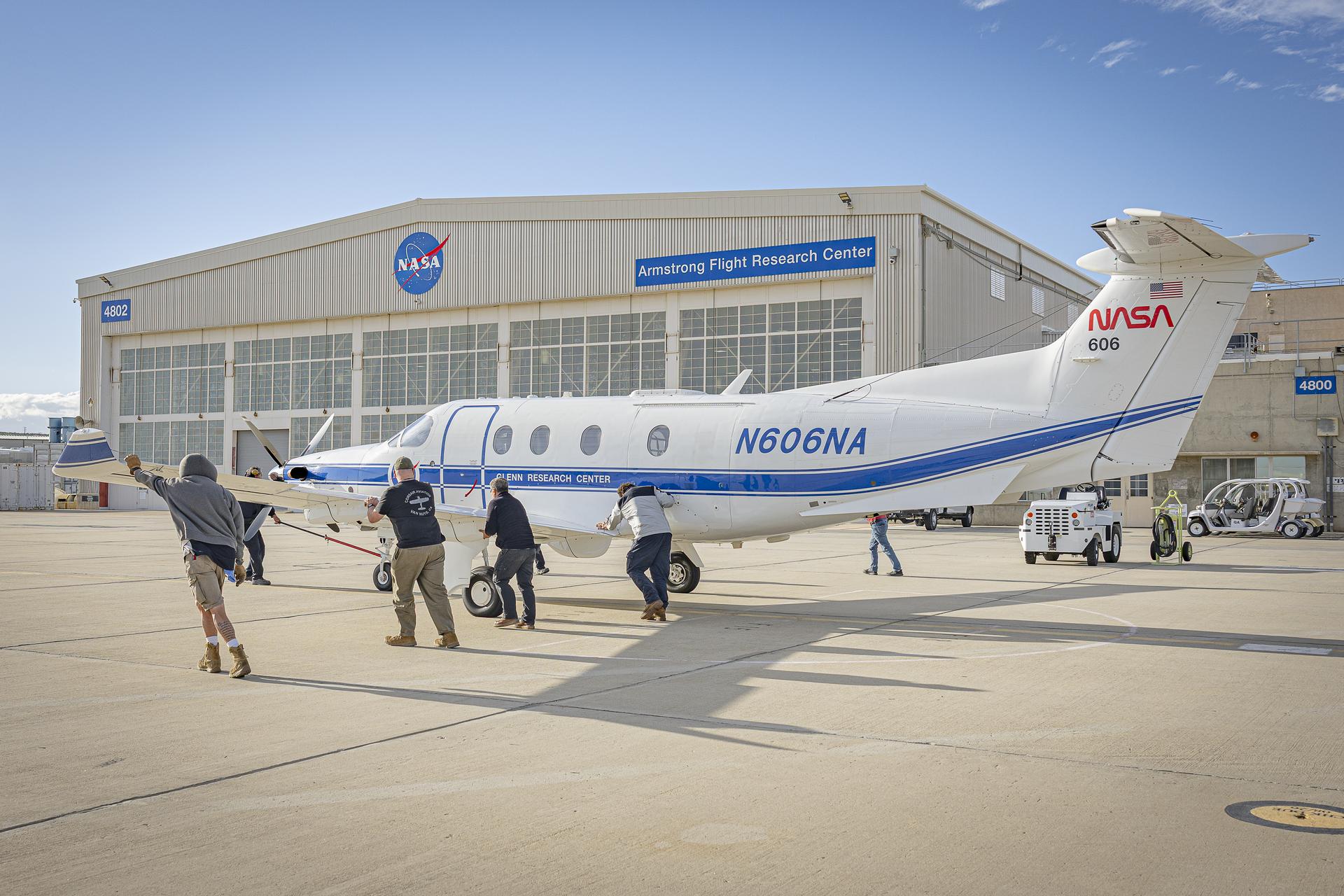 A Pilatus PC-12 aircraft, tail number 606, is being towed and pushed by a crew at NASA’s Armstrong Flight Research Center in Edwards, California, on Feb. 11, 2026. This aircraft is now housed at NASA Armstrong to continue supporting research at NASA’s Glenn Research Center, among other agency efforts.NASA/Christopher LC Clark A NASA Pilatus PC-12 aircraft will now be based at NASA’s Armstrong Flight Research Center in Edwards, California, in order to support flight research efforts across the agency.
The PC-12 was acquired in 2022 by NASA’s Glenn Research Center in Cleveland for use in advanced technology development. The PC-12 will continue to support research at NASA Glenn while also helping expand flight research capability by supporting other agency efforts.
“NASA Armstrong is proficient in supporting a deployed aircraft concept, where our aircraft goes to another part of the country or world to complete a specific mission,” said Darren Cole, capabilities manager for the Flight Demonstrations and Capabilities project at NASA Armstrong. “That’s exactly what we are going to do with the PC-12, to continue a wide range of flight research.”
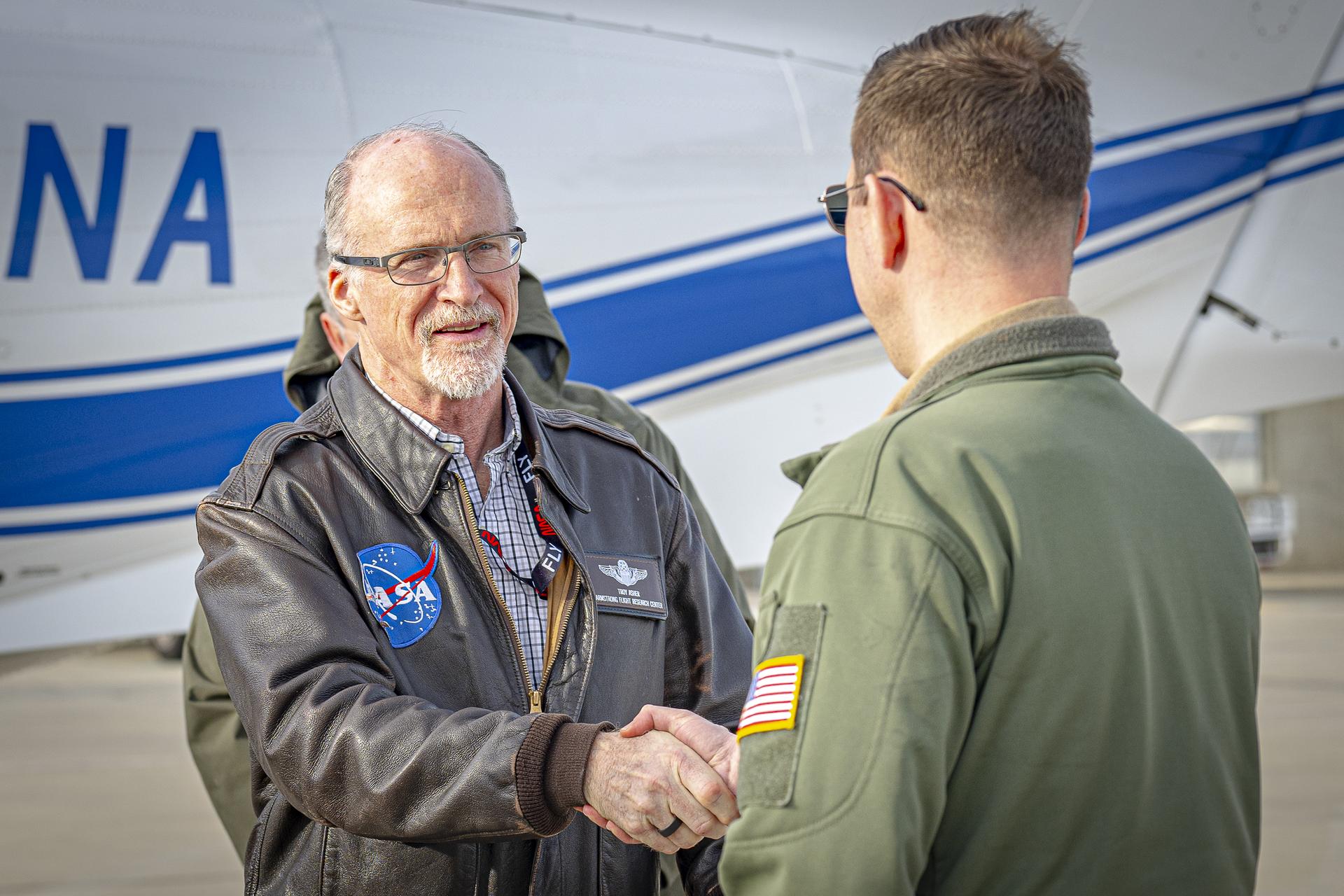 Troy Asher, director for flight operations at NASA’s Armstrong Flight Research Center in Edwards, California, shakes hands with Jeremy Johnson, a pilot with NASA’s Glenn Research Center in Cleveland. The two stand in front of a NASA Pilatus PC-12 aircraft, tail number 606, which arrived at the center Feb. 11, 2026. This aircraft is now housed at NASA Armstrong to continue supporting research at NASA Glenn, among other agency efforts.NASA/Christopher LC Clark Over four years of service at Glenn, the PC-12 has proven a valuable research asset, with contributions such as supporting a communications relay experiment with the International Space Station. Using a portable laser terminal, the PC-12 sent a 4K video stream relayed through a ground network and a satellite to the space station, which was able to send information back. The system helped effectively penetrate cloud coverage.
The aircraft also was used to study surveillance systems that could help handle the air traffic demands of future air taxis flying in cities.
From its new home at NASA Armstrong, the plane will support a variety of agency, industry, and academic research, including continued technology development research led by Glenn and conducted in conjunction with Glenn’s Aerospace Communications Facility.
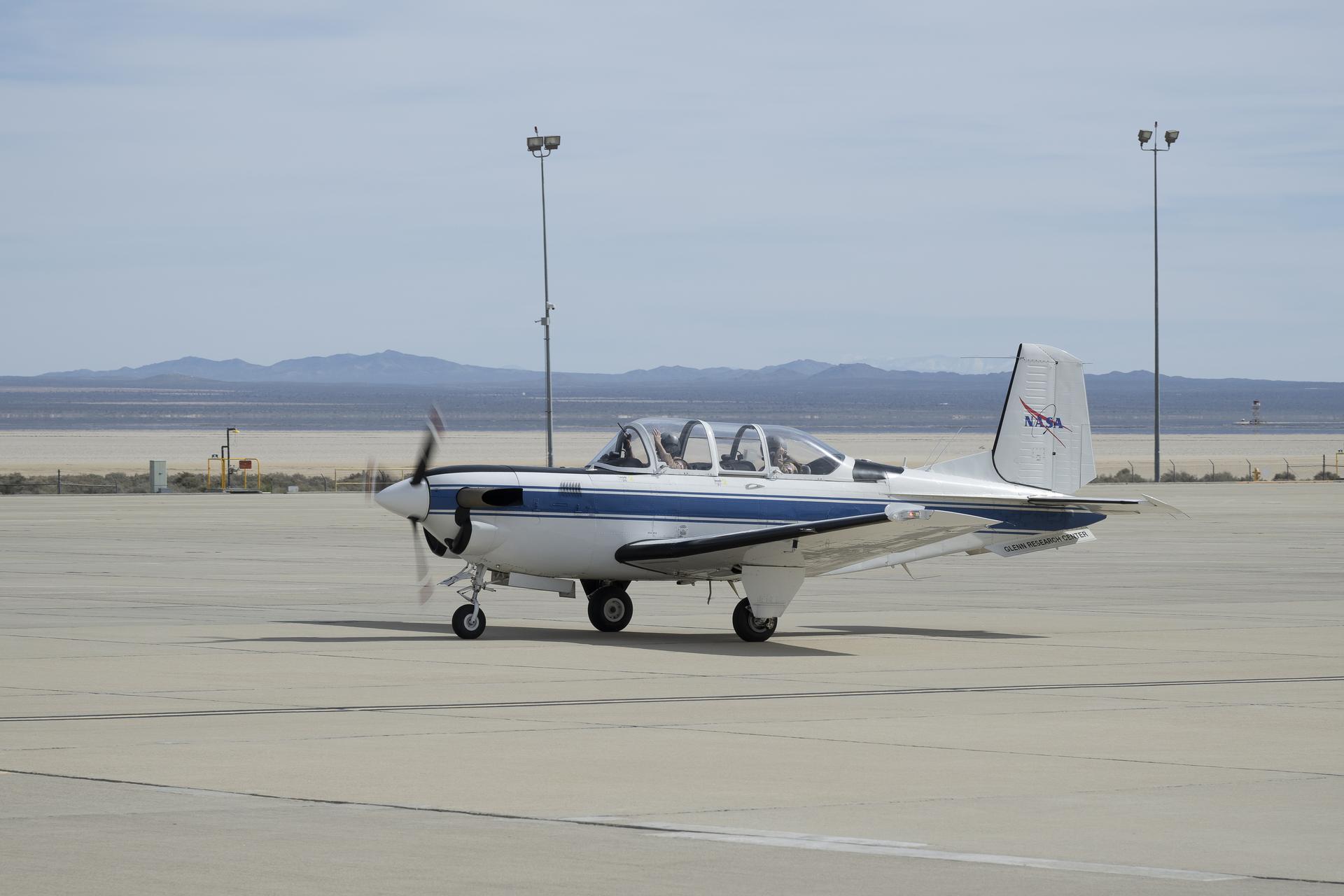 A NASA T-34 aircraft, tail number 602, arrived at NASA’s Armstrong Flight Research Center in Edwards, California, on Feb. 14, 2026. This aircraft was flown from NASA’s Glenn Research Center in Cleveland, to NASA Armstrong, to be evaluated for use as a flight research and pilot training platform for the center.NASA/Carla Thomas A NASA T-34 aircraft from Glenn also arrived at Armstrong in February to be evaluated for use. The T-34 can allow NASA pilots to either conduct flight research or train to fly the PC-12 when that larger aircraft is undergoing maintenance or modifications.
“The T-34’s design allows for future pod-mounted flight research efforts,” Cole said. “This could include ideas in development by researchers within NASA or through external partnerships — to get something quickly into the air for flight testing at a low cost.”
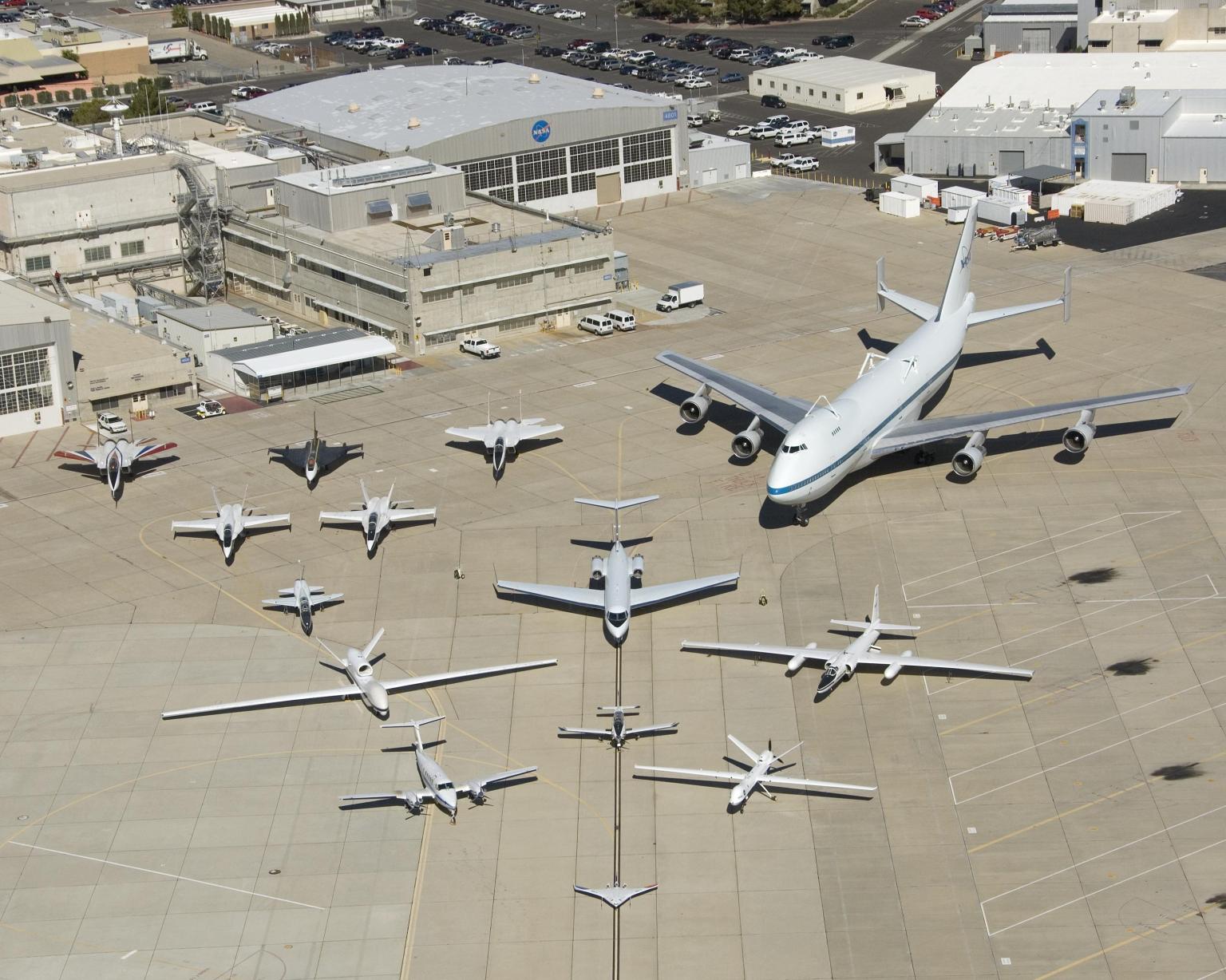
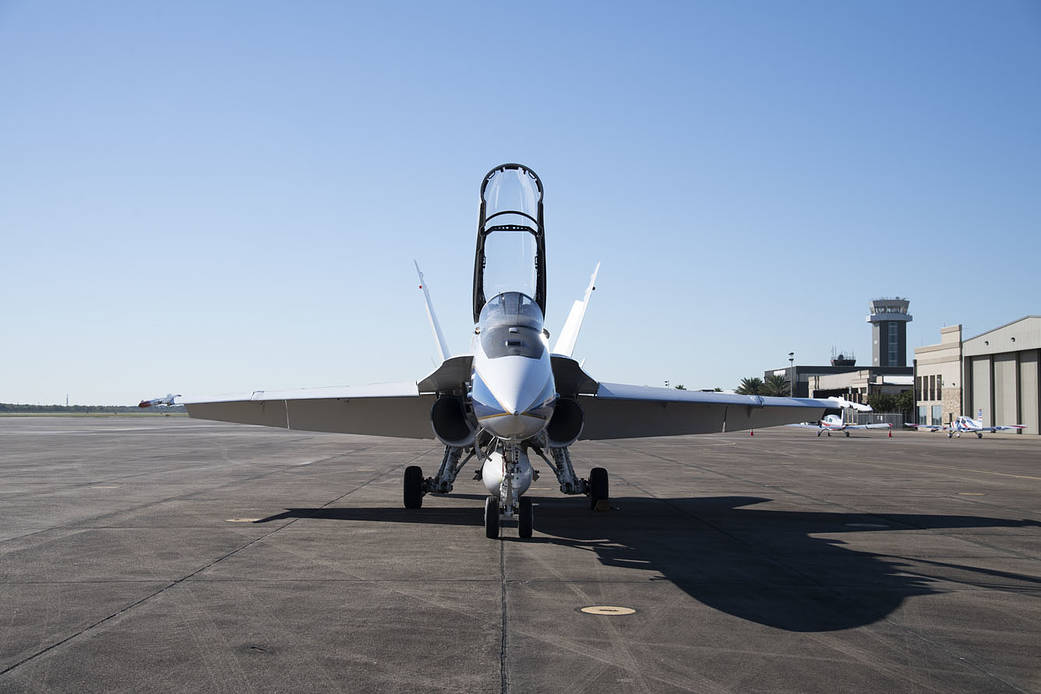
The T-34 from Glenn joins another already housed at NASA Armstrong, part of a fleet that has recently grown with new assets, including two F-15s. These help Armstrong remain the agency’s home base for breakthrough flight research and test projects.
The aircraft are supported through NASA’s Aeronautics Research Mission Directorate.
 4 min read NASA Selects Finalists in Student Aircraft Maintenance Competition Article 3 hours ago
  2 min read NASA’s X-59 Experimental Supersonic Aircraft Makes Second Flight Article 4 days ago
  2 min read NASA Simulations Improve Artemis II Launch Environment Article 4 days ago
 Keep Exploring Discover More Topics From NASA Armstrong Flight Research Center