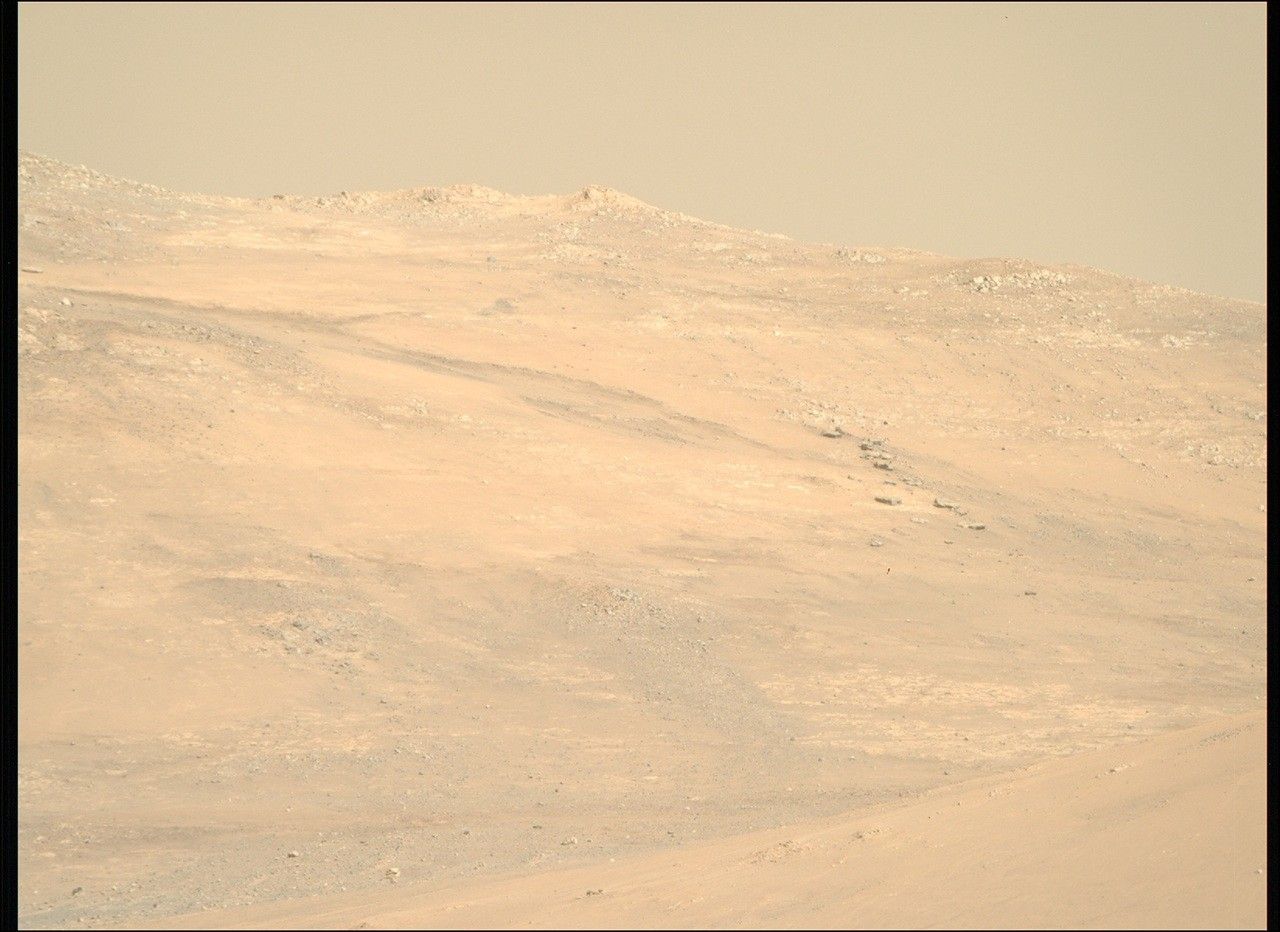

Explore This Section Perseverance Home Mission Overview Rover Components Mars Rock Samples Where is Perseverance? Ingenuity Mars Helicopter Mission Updates Science Overview Objectives Instruments Highlights Exploration Goals News and Features Multimedia Perseverance Raw Images Images Videos Audio More Resources Mars Missions Mars Sample Return Mars Perseverance Rover Mars Curiosity Rover MAVEN Mars Reconnaissance Orbiter Mars Odyssey More Mars Missions Mars Home 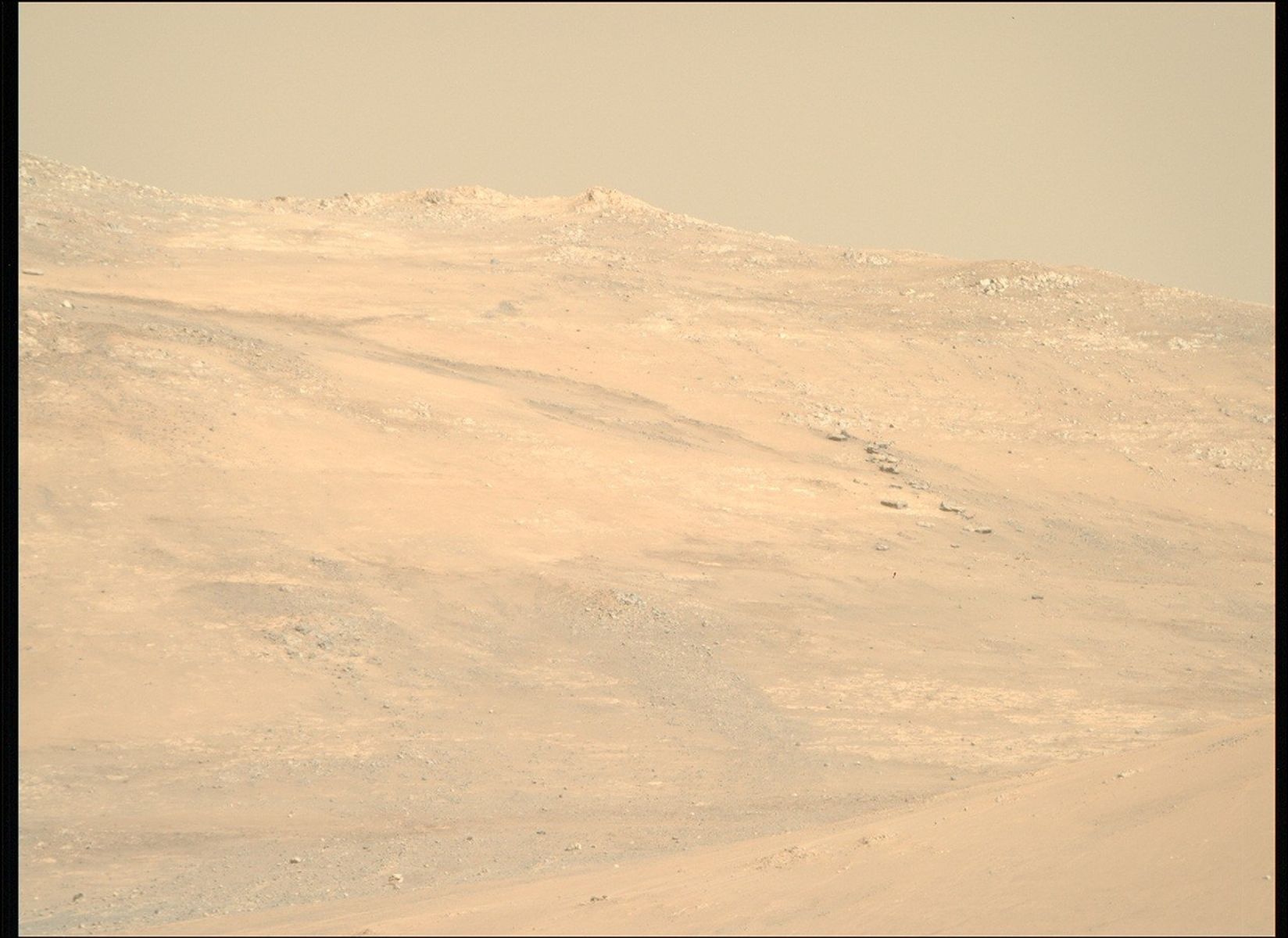 This image from NASA’s Mars Perseverance rover shows a potential megablock on the Jezero crater rim, taken by the Mastcam-Z instrument’s “right eye.” Mastcam-Z is a pair of cameras located high on the rover’s mast. Perseverance acquired this image looking east across the rim heading towards “Lac de Charmes” on Dec. 7, 2025 — Sol 1706, or Martian day 1,706 of the Mars 2020 mission — at the local mean solar time of 13:38:46. NASA/JPL-Caltech/ASU Written by Margaret Deahn, Ph.D. student at Purdue University
NASA’s Mars 2020 rover is currently trekking towards exciting new terrain. After roughly four months of climbing up and over the rim of Jezero crater, the rover is taking a charming tour of the plains just beyond the western crater rim, fittingly named “Lac de Charmes.” This area just beyond Jezero’s rim will be the prime place to search for pre-Jezero ancient bedrock and Jezero impactites — rocks produced or affected by the impact event that created Jezero crater.
The formation of a complex crater like Jezero is, well… complex. Scientists who study impact craters like to split the formation process into three stages: contact & compression (when the impactor hits), excavation (when materials are thrown out of the crater), and modification (when gravity causes everything to collapse). This process happens incredibly fast, fracturing the impacted rock and even melting some of the target material. Sometimes on Earth, the classic “bowl” shaped crater has been completely weathered and unrecognizable, so geologists are able to identify craters by the remnants of their impactites. Just when you thought it couldn’t get any more complicated — Jezero crater’s rim is located on the rim of another, even bigger basin called Isidis. That means there is an opportunity to have impactites from both cratering events exposed in and just around the rim — some of which could be several billions of years old! We may have already encountered one of these blocks on our trek towards Lac de Charmes. In the foreground of this image taken by the Mastcam-Z instrument on the rover, there is a potential impactite called a “megablock” that the team has named “Hyha.” We can actually see this block from orbit, it is that large! The team is excited to continue exploring these ancient rocks as we take our next steps off Jezero’s rim.
Want to read more posts from the Perseverance team?
Visit Mission Updates
Want to learn more about Perseverance’s science instruments?
Visit the Science Instruments page

 3 min read Curiosity Blog, Sols 4731-4742: Finishing Up at Nevado Sajama
Article
1 week ago
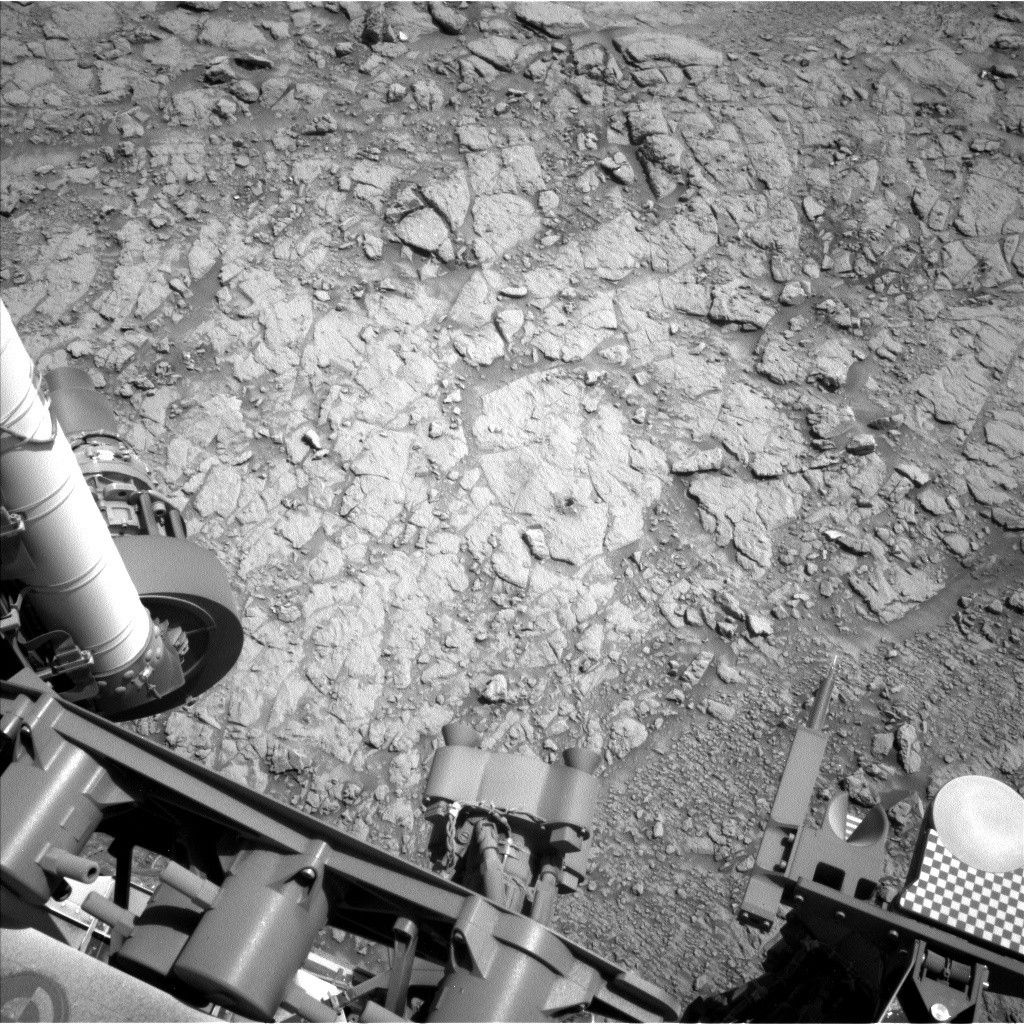
 2 min read Curiosity Blog, Sols 4723-4730: Digging Into Nevado Sajama
Article
1 week ago
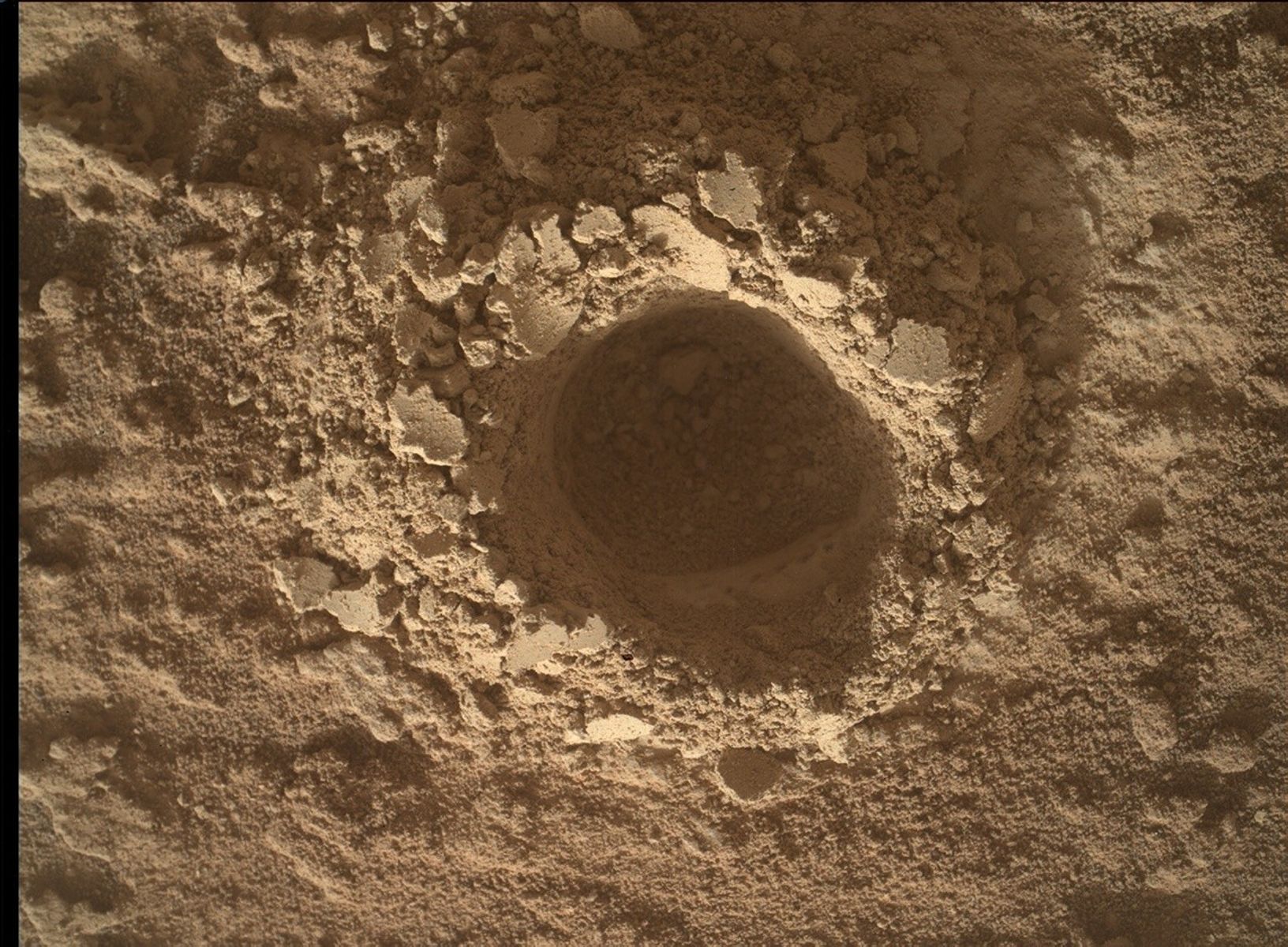
 2 min read Curiosity Blog, Sols 4716-4722: Drilling Success at Nevado Sajama
Article
4 weeks ago
Keep Exploring Discover More Topics From NASA All Mars Resources
Explore this collection of Mars images, videos, resources, PDFs, and toolkits. Discover valuable content designed to inform, educate, and inspire,…
Each robotic explorer sent to the Red Planet has its own unique capabilities driven by science. Many attributes of a…

Mars Exploration: Science Goals
The key to understanding the past, present or future potential for life on Mars can be found in NASA’s four…
The Mars Perseverance rover is the first leg the Mars Sample Return Campaign’s interplanetary relay team. Its job is to…