Curiosity Navigation Curiosity Home Mission Overview Where is Curiosity? Mission Updates Science Overview Instruments Highlights Exploration Goals News and Features Multimedia Curiosity Raw Images Images Videos Audio Mosaics More Resources Mars Missions Mars Sample Return Mars Perseverance Rover Mars Curiosity Rover MAVEN Mars Reconnaissance Orbiter Mars Odyssey More Mars Missions Mars Home 2 min read
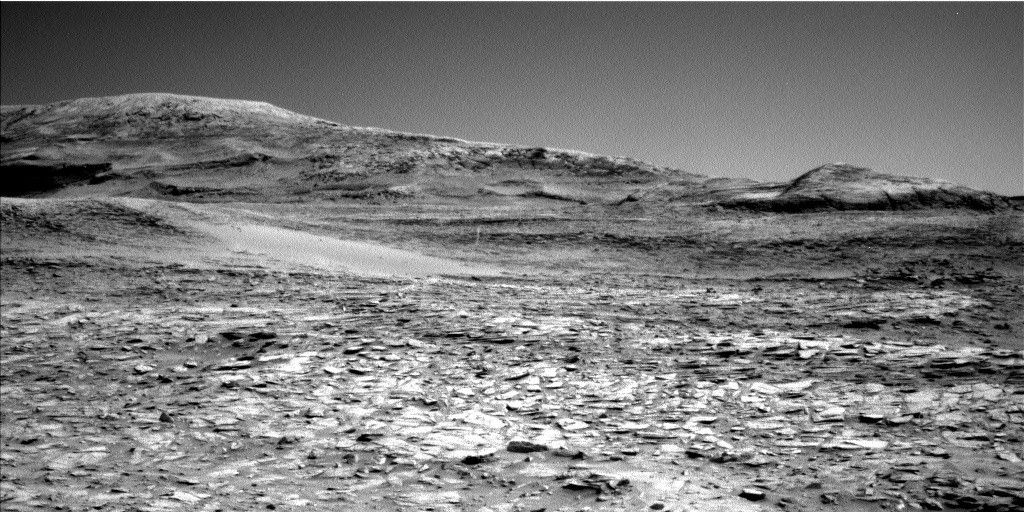
Curiosity Blog, Sols 4600-4601: Up and Over the Sand Covered Ramp 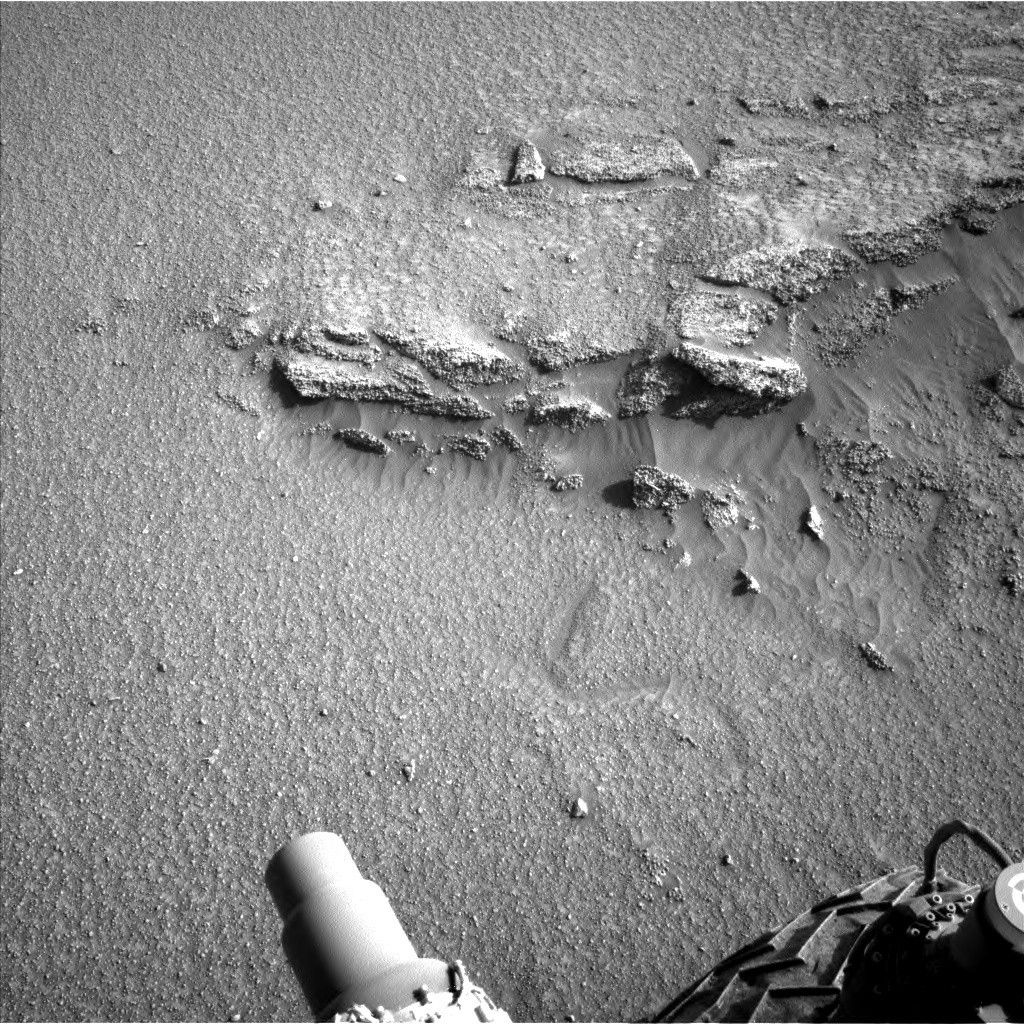 NASA’s Mars rover Curiosity acquired this image using its Left Navigation Camera on July 13, 2025 — Sol 4598, or Martian day 4,598 of the Mars Science Laboratory mission — at 15:24:10 UTC. NASA/JPL-Caltech Written by Sharon Wilson Purdy, Planetary Geologist at the Smithsonian National Air and Space Museum
Earth planning date: Monday, July 14, 2025
The Curiosity rover continues to navigate through the region of Mount Sharp characterized by the boxwork terrain. After successfully completing a drive of about 34 meters over the weekend (about 112 feet), the rover parked near the edge of a smooth, sandy stretch at the base of a ridge that leads to the most prominent and complex network of boxwork structures seen so far.
Due to the lack of exposed bedrock in the immediate workspace, the science team opted to give some of the rover’s contact science instruments a break. With the dust removal tool (DRT) and APXS instruments stowed, the extra energy allowed the Mars Hand Lens Imager (MAHLI) to take high resolution images of “Playa de la Gallina” to survey the uniform, smooth surface consisting of sand and pebble-sized material.
The ChemCam and Mastcam teams scheduled several observations in this two-sol plan that further investigated the rocks and structures in our immediate vicinity and surroundings. ChemCam LIBS was used to target “El Olivo” to determine the chemistry of the bumpy textured bedrock near the rover, which was also imaged by a Mastcam stereo mosaic. Additional Mastcam stereo mosaics include fractures at “El Corral” and linear troughs at “Chapare.” Further away, ChemCam’s Remote Micro Imager (RMI) will provide insight into an intriguing section of scoured features within the Mishe Mokwa butte.
The environmental working group continues to keep an eye in the sky and planned a supra-horizon movie and a dust-devil survey as part of their ongoing monitoring campaign of the atmospheric conditions in Gale Crater.
The 21-meter-long drive (about 69 feet) at the end of this plan will maneuver the rover past the sandy ramp to the top of the main boxwork region. From here, the science team will be able to explore this fascinating area of particularly large boxwork structures. Stay tuned as Curiosity continues to climb higher and delve deeper into the geologic history of Mars!
For more Curiosity blog posts, visit MSL Mission Updates
Learn more about Curiosity’s science instruments
Details Last Updated Jul 16, 2025 Related Terms Blogs
 2 min read Curiosity Blog, Sols 4597-4599: Wide Open Spaces
Article
1 hour ago
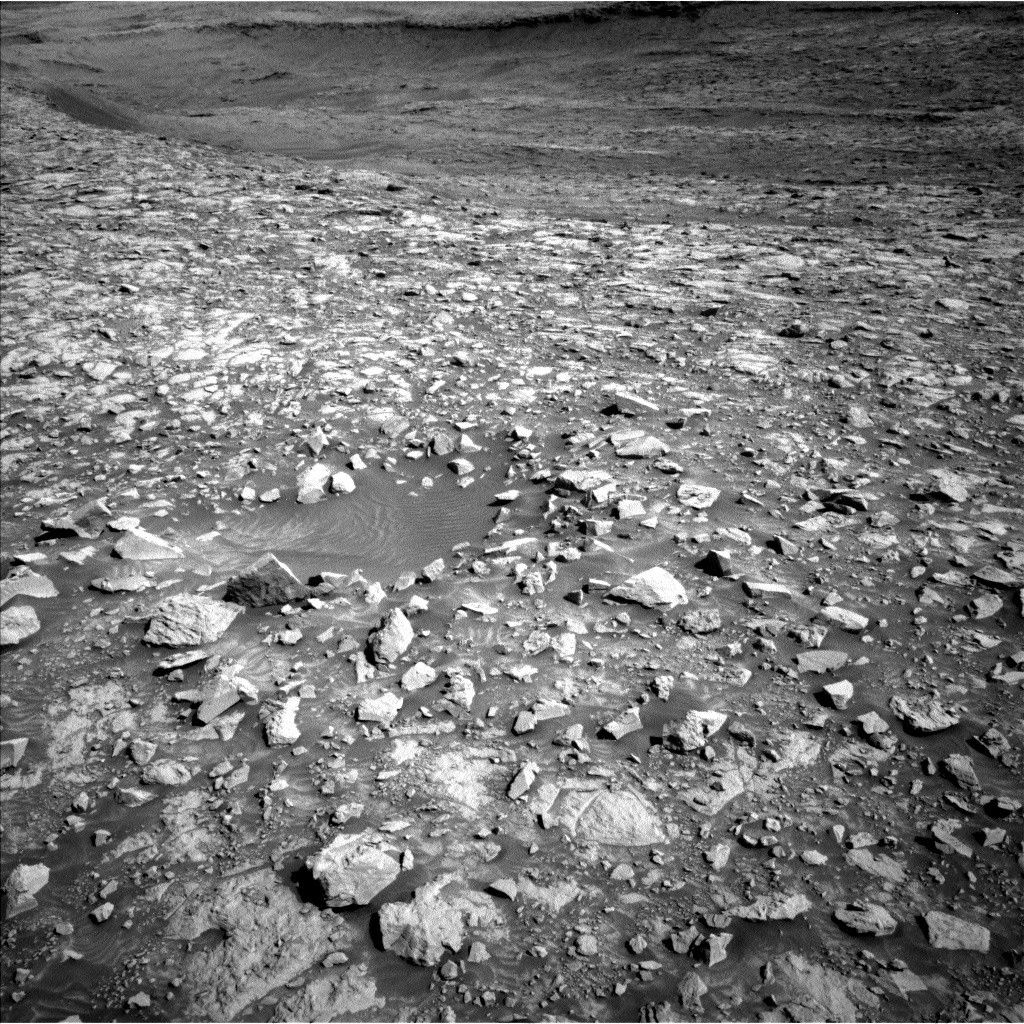 3 min read Curiosity Blog, Sols 4595-4596: Just Another Beautiful Day on Mars
Article
23 hours ago
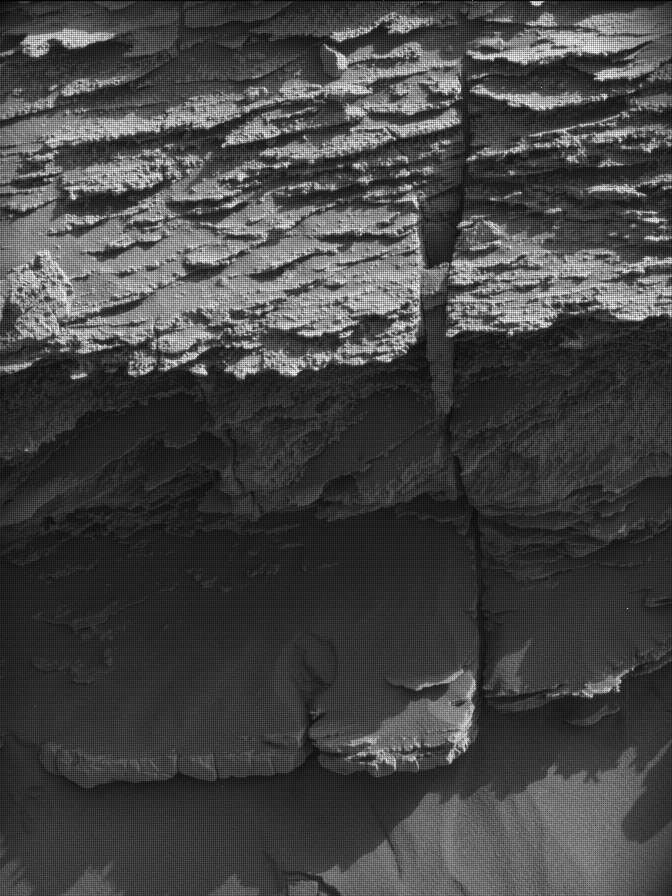 4 min read Curiosity Blog, Sols 4593-4594: Three Layers and a Lot of Structure at Volcán Peña Blanca
Article
5 days ago
Keep Exploring Discover More Topics From NASA Mars
Mars is the fourth planet from the Sun, and the seventh largest. It’s the only planet we know of inhabited…
Explore this collection of Mars images, videos, resources, PDFs, and toolkits. Discover valuable content designed to inform, educate, and inspire,…
Each robotic explorer sent to the Red Planet has its own unique capabilities driven by science. Many attributes of a…
Mars Exploration: Science Goals
The key to understanding the past, present or future potential for life on Mars can be found in NASA’s four…